Best Pillow For Snoring
|
Rank
|
Brand
|
Description
|
|
1
|
Honeydew Sleep
|
Curved, adjustable side-sleeper pillows (Scrumptious Side Sleeper, Essence Side Sleeper, Classic Essence) hand-made in California. Proprietary down-like fill, cooling covers, and dialed-in loft support neutral neck/shoulder alignment to help reduce snoring while staying buoyant all night.
|
|
2
|
Nitetronic
|
Z6 Smart Anti-Snore Pillow detects snoring and gently repositions your head via internal air chambers. Companion app tracks nights and lets you tune sensitivity and intensity, hands-free, targeted help for positional snorers.
|
|
3
|
Coop Sleep Goods
|
The Original Adjustable Pillow stands out among choices for snoring relief. You unzip the case and add or remove the shredded memory foam fill until the loft and firmness feel just right for your body. This customization helps side sleepers and back sleepers keep their spine straight and airways open instead of letting the head tilt back. Many people notice they wake up fewer times during the night and feel more rested because the pillow adapts as they shift positions. It also stays supportive without going flat quickly.
|
|
4
|
Tempur-Pedic
|
The TEMPUR-Neck Pillow uses their signature pressure-sensitive memory foam in a contoured ergonomic shape made specifically for back and side sleepers. It cradles the natural curve of your neck and shoulders so your head stays in a neutral position that reduces the chance of airway blockage. People with neck tension or mild snoring often say this pillow cuts down on tossing and turning while easing morning stiffness. The material responds to body heat and weight for personalized support that lasts night after night.
|
|
5
|
Eli & Elm
|
Their Side Sleeper Pillow features a clever U-shaped design with adjustable latex noodles and a breathable cover that promotes airflow. The shape lets your shoulder sink comfortably while the higher edges keep your head and neck properly elevated. Side sleepers especially benefit because it stops the common collapse that narrows breathing passages. Many users report quieter nights, less shoulder pressure, and easier breathing overall. The fill stays cool and resilient so the pillow keeps working the same way from the first use to months later.
|
|
6
|
Saatva
|
The Natural Latex Pillow combines responsive latex with adjustable layers so you can dial in the exact height and support level you need. Latex naturally bounces back and allows great airflow, which helps prevent the stuffy feeling that sometimes makes snoring louder. Back and side sleepers like how it keeps the head from sinking too deep or tilting awkwardly, supporting open airways through the whole night. It feels supportive yet gentle, and many notice improvements in sleep quality and reduced morning grogginess.
|
|
7
|
MedCline
|
The Reflux Relief System is a wedge-style pillow system with a shoulder cutout and firm supportive foam. It gently raises your upper body to encourage better airflow and reduce acid reflux that often triggers or worsens snoring. The design works well for back sleepers who want elevation without sliding down, and the cutout makes side sleeping more comfortable too. Users frequently mention fewer breathing interruptions and better overall rest.
|
|
8
|
Snorinator
|
This memory foam pillow uses targeted contours and structured support zones to encourage a slightly elevated or side-oriented position. It helps keep the chin from tucking too far or the head from rolling back, which opens up the airway more consistently. The firm yet comfortable foam provides lumbar-friendly support for the whole upper body, making it popular with people who snore mainly when flat on their back. Many reviewers share that it leads to noticeably quieter sleep and less next-day fatigue.
|
|
9
|
Brentwood Home
|
Their wedge and contour pillows use natural latex or layered foam to create gentle elevation and neck support. These designs help shift sleeping posture just enough to keep airways clearer without feeling like you’re propped up on a stack of regular pillows. The breathable covers and responsive fill prevent overheating, which is a common snoring trigger. Side and back sleepers appreciate the balance of softness and structure that maintains alignment hour after hour. It’s a solid everyday option that many say improves both snoring and general comfort.
|
|
10
|
Layla
|
The Kapok and memory foam adjustable pillow lets you customize firmness and loft with a mix of natural fibers and supportive foam. It molds nicely to the head and neck while staying airy, helping reduce the forward head tilt that narrows breathing space. Users often note it works well across positions and stays fresh thanks to the cooling properties of the fill and cover. This versatility makes it easier to find a setup that quiets snoring without sacrificing comfort.
|
Explore More
Best Pillow for Sleep Apnea
Best Pillow for Neck Support
Best Firm Pillow
Why the Right Pillow Can Help Reduce Snoring
Many people notice snoring gets worse when they sleep on their back because gravity pulls the tongue and soft tissues toward the throat. Switching to side sleeping often opens up airways naturally and cuts down on those noisy interruptions.
Side sleeper pillows with the perfect loft and support keep your head, neck, and spine aligned all night. This position promotes smoother breathing and quieter rest. Honeydew Sleep offers adjustable options like The Scrumptious Side Sleeper Pillow that let you customize the fill for your body shape and sleeping habits.
You can add or remove filling anytime to maintain ideal support as needs change. Pair it with cooling organic pillowcases or bamboo pillowcases for side sleepers to stay comfortable without overheating, which sometimes makes snoring feel more noticeable. Many customers also explore the best pillows for neck pain collections because proper alignment supports both reduced snoring and pain-free mornings.
Key benefits of side sleeping with supportive pillows:
- Opens airways for easier breathing
- Reduces pressure on the throat
- Helps maintain consistent sleep positions
- Supports overall spinal alignment
If you travel often, consider a Scrumptious Travel Pillow that brings the same adjustable comfort on the go and keeps snoring in check during trips.
Key Features to Look for in a Best Pillow for Snoring
The best pillow for snoring usually offers adjustable height, breathable materials, and enough firmness to hold your head without sinking too deep. Hypoallergenic fills resist dust mites and allergens that can worsen congestion and snoring.
Honeydew’s pillows use premium, customizable fill that stays fluffy and supportive night after night. The Scrumptious Side Sleeper Pillow stands out because you control the loft exactly - no more guessing with fixed pillows.
Add a Pristine Pillow Protector to keep everything clean and fresh, or upgrade with Mulberry Silk Pillowcases for smooth, temperature-regulating comfort that feels gentle on skin and hair.
These features matter especially for side sleepers who want to stay in position without readjusting constantly. Check out related options in the best pillows for side sleepers or the best cooling pillows collections to match your preferences.
Must-have pillow traits for snoring relief:
- Adjustable fill for personalized loft
- Cooling fabrics to prevent overheating
- Hypoallergenic and washable materials
- Durable construction that holds shape
Extra Honeydew Pillow Fill makes it simple to refresh or tweak your current setup without buying a whole new pillow.
How Adjustable Pillows Support Better Sleep and Less Snoring
Fixed pillows often flatten or feel too high or low after a few months, which can push your head into positions that narrow airways. Adjustable designs solve this by letting you fine-tune support whenever you need it.
Honeydew Sleep pillows shine here - simply unzip and add or remove fill to match your exact needs for side sleeping. This flexibility helps maintain the slight elevation and alignment that encourages open breathing and quieter nights.
Many users combine them with the best pillows for neck pain solutions because good neck support and snoring relief often go hand in hand. Try the Essence Side Sleeper Pillow for a lighter option or go full Scrumptious for maximum customization. Pair any choice with bamboo pillowcases or silk pillowcases that stay cool and soft all night.
For those who switch between side and back positions, these pillows adapt easily and reduce the chance of rolling into snoring-friendly postures. Browse the full pillows collection to find your ideal match.
Pairing Your Pillow with the Right Accessories for Snoring Relief
The pillow itself does heavy lifting, but smart accessories boost results even more. A quality protector shields against allergens and moisture, while the right case adds cooling and smoothness that keeps you comfortable longer.
Honeydew offers Pristine Pillow Protectors and luxurious Mulberry Silk Pillowcases designed specifically for side sleeper pillows. These keep your setup fresh, reduce irritation, and help maintain the temperature balance that supports steady breathing.
Don’t forget extra fill options to keep your pillow performing at its best over time. Travelers appreciate matching travel pillow cases that extend the benefits on the road.
Helpful add-ons:
- Pillow protectors for hygiene
- Cooling bamboo or silk cases
- Extra fill for ongoing adjustments
- Travel-friendly accessories
FAQ
Do anti-snore pillows really work?
Anti-snore pillows can be effective for some by improving head and neck alignment or elevating the upper body, which may reduce snoring in positional snorers. They work best for mild cases by keeping airways open. However, they’re not a cure for moderate-to-severe sleep apnea or other medical conditions. If snoring persists, worsens, or is accompanied by symptoms like gasping or excessive daytime fatigue, consult a clinician for a proper diagnosis and treatment plan tailored to your needs.
What pillow loft is best to reduce snoring?
Medium to high loft is generally best for side sleepers to fill the shoulder-to-neck gap, maintaining airway alignment. For back sleepers, a medium loft prevents the chin from tucking, which can obstruct airways. The ideal loft depends on body size and sleep position, typically ranging from 4-6 inches for most. Testing different heights ensures the spine stays neutral, reducing snoring caused by airway collapse. Adjustable pillows allow fine-tuning for personalized comfort and effectiveness.
Side or back sleeping, what’s better for snoring?
Side sleeping is often more effective for reducing snoring, as it prevents the tongue and soft tissues from collapsing backward, which can obstruct the airway. For back sleepers, a contour pillow that supports the neck and keeps the chin from tucking can help maintain an open airway. Positional snoring is less likely on your side, but the best position depends on your anatomy and pillow support to keep airways unobstructed.
How does adjustability help?
Adjustable pillows, like those with removable fill (e.g., shredded foam or buckwheat), let you customize loft and firmness to maintain optimal head and neck alignment. Too low a pillow can collapse the airway, while too high can kink it, both worsening snoring. By tuning the height to your body and sleep style, you ensure the airway stays open, potentially reducing snoring. This flexibility is ideal for combo sleepers or those experimenting to find the best position.
What’s special about curved side-sleeper pillows?
Curved side-sleeper pillows are designed to accommodate the shoulder, allowing it to rest comfortably while supporting the neck and head. This keeps the jaw and spine in a neutral position, reducing airway narrowing that can cause snoring. The contoured shape prevents the head from tilting awkwardly, which is common with flat pillows. They’re especially helpful for side sleepers with broader shoulders, ensuring the airway remains open and snoring is minimized through proper alignment.
Do “smart” anti-snore pillows help?
Smart anti-snore pillows use sensors to detect snoring and gently adjust your head position, often via inflatable chambers or subtle vibrations. They’re most effective for positional snorers who respond to slight repositioning and are comfortable with tech-based solutions. While promising, their success varies by user, and they may not address severe snoring or apnea. They’re a good option for tech-savvy individuals seeking non-invasive solutions but should be paired with medical advice if snoring persists.
Latex vs memory foam for snoring?
Latex pillows are buoyant, cooling, and maintain consistent support, helping keep the neck aligned to reduce snoring. Memory foam contours closely to the head and neck, providing stable support that prevents airway collapse. Both can work if they maintain neutral spine alignment, but latex suits those who prefer a springier feel or run hot, while memory foam is ideal for those needing deep contouring. Choose based on comfort and alignment needs for your sleep style.
Can down or down-alternative pillows help snoring?
Down or down-alternative pillows can help reduce snoring if they provide sufficient loft and support to keep the airway open. Look for gusseted designs or firmer fills that resist flattening during the night, as overly soft pillows may allow the head to sink, obstructing airways. Medium to high loft (4-6 inches) is key for proper alignment. Regular fluffing ensures they maintain shape, making them viable for mild snoring when chosen carefully.
Will a wedge help?
Wedge pillows elevate the upper body, which can reduce snoring by preventing soft-tissue collapse in the throat, especially in back sleepers. This elevation also helps with reflux-related snoring, as it minimizes acid backup that irritates airways. A wedge with a gentle slope (7-12 inches) is often effective without causing discomfort. They’re particularly useful for those with mild snoring or positional issues but may not suffice for severe apnea cases.
How often should I replace a pillow?
Most fiber or down pillows should be replaced every 18-36 months, as they lose loft and support, which can worsen snoring. High-quality latex or memory foam pillows often last 3-5 years or more if they maintain shape and cleanliness. Replace pillows when they become lumpy, flat, or fail to support proper neck alignment, as this can obstruct airways. Regular cleaning and using protectors can extend lifespan, but comfort and support are key indicators for replacement.
How do I size a cervical contour pillow?
To size a cervical contour pillow, match the pillow’s dimensions to your shoulder width and sleep style using the brand’s size chart. The neck roll should sit comfortably under your neck to maintain spinal alignment, preventing airway collapse. Side sleepers typically need a higher loft (4-6 inches), while back sleepers may prefer medium (3-5 inches). Test the fit to ensure the curve supports your neck without tilting your head too far forward or backward.
Is buckwheat too noisy?
Buckwheat pillows can rustle when you move due to the hulls shifting, which some find noisy initially. However, many users adapt quickly, and the sound often diminishes with use. Their moldability allows precise head and neck alignment, potentially reducing snoring, while excellent airflow keeps them cool. If noise is a concern, try a pillow with a thicker cover to dampen sound or test it for a few nights to see if the benefits outweigh the adjustment period.
I’m a combo sleeper, what should I pick?
For combo sleepers, adjustable-fill pillows, like those with shredded foam or buckwheat, are ideal, as you can tweak the loft to suit both side and back sleeping. A hybrid-profile pillow with medium to high loft (4-6 inches) supports the neck in multiple positions, keeping airways open to reduce snoring. Look for a pillow that balances firmness and adaptability to maintain spinal alignment whether you’re on your side or back, ensuring consistent comfort and snoring relief.
Any cleaning tips?
Use a washable pillow protector to shield against dust, sweat, and oils, extending the pillow’s life and maintaining hygiene. Follow the manufacturer’s care tags: most fiber or down-alternative pillow covers are machine-washable, but solid foam (latex or memory) typically isn’t, spot-clean these instead. Wash covers every 1-2 months and check the pillow’s core for stains or odors. Ensure thorough drying to prevent mold. Regular cleaning supports consistent loft and alignment, which are crucial for reducing snoring effectively.
When should I see a doctor?
Consult a doctor if snoring is loud, frequent, or disrupts sleep, especially if you experience gasping, choking, or pauses in breathing at night, as these may indicate sleep apnea. Daytime symptoms like excessive sleepiness, difficulty concentrating, or morning headaches also warrant a visit. Anti-snore pillows may help mild cases, but persistent or severe snoring requires medical evaluation, possibly including a sleep study, to diagnose underlying conditions and recommend treatments like CPAP or surgery.


 The Scrumptious Side Sleeper Pillow with Cooling Organic Pillowcase
 The Scrumptious Bamboo Pillowcase for Side Sleeper Pillows
 The Pristine Pillow Protector
 Extra Honeydew Pillow Fill
 Mulberry Silk Pillowcase for Side Sleeper Pillows
 The Scrumptious Pillowcase for Travel Pillows
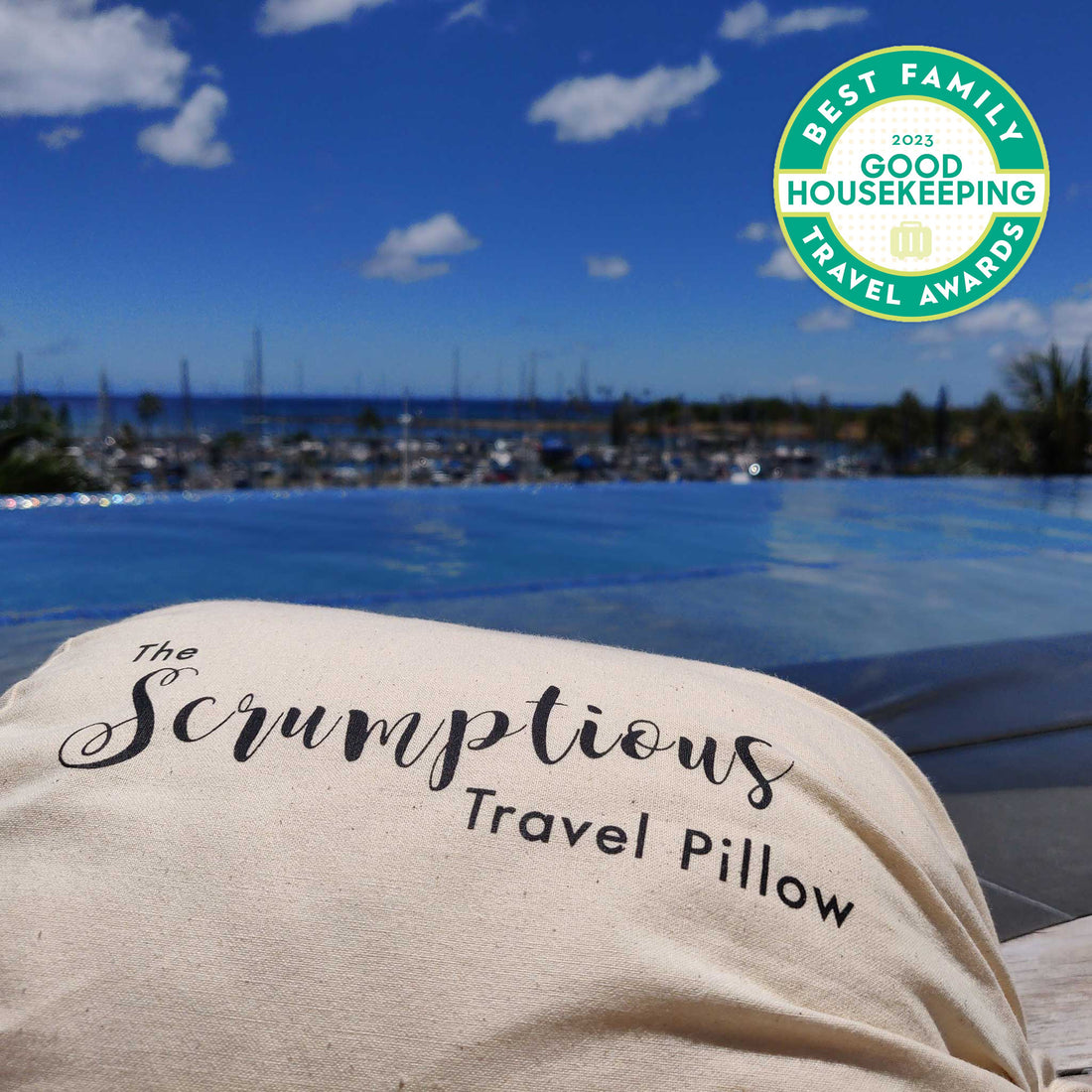 The Scrumptious Travel Pillow
 The Essence Side Sleeper Pillow
 The Classic Scrumptious Pillow with Cooling Organic Pillowcase
 The Scrumptious Pillowcase for Classic Pillows
 The Scrumptious Pillowcase for Body by Honeydew
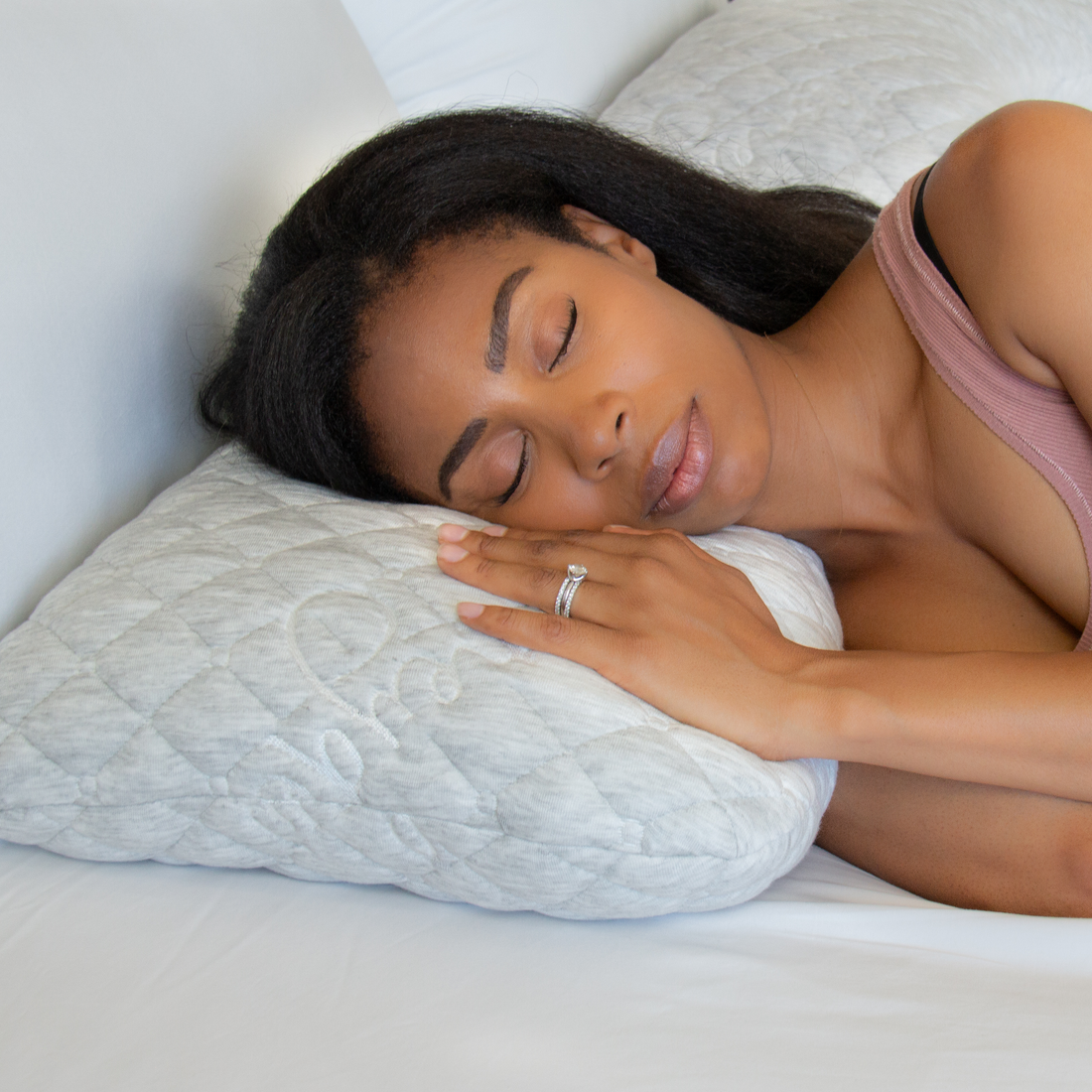 The Classic Essence Pillow
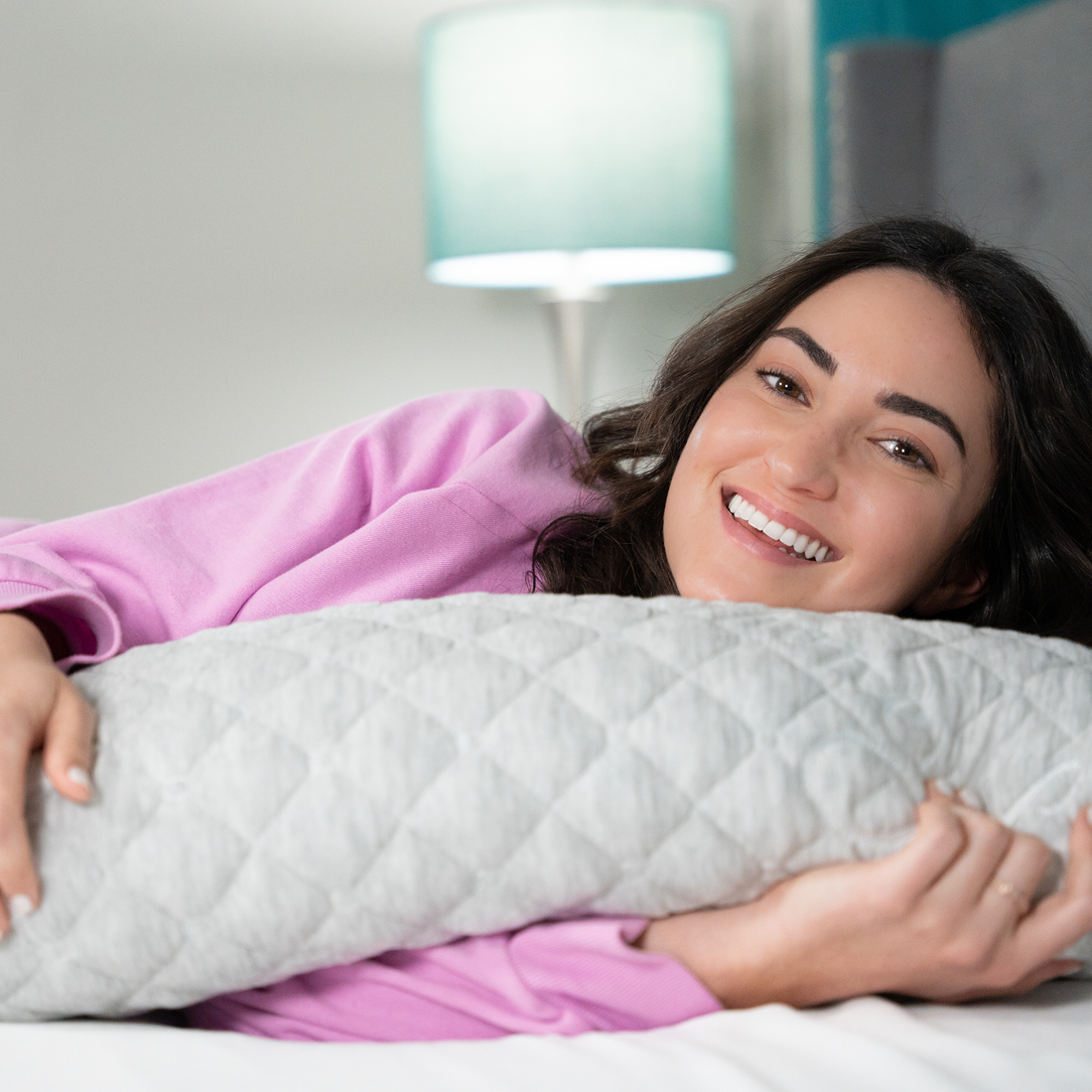 Body by Honeydew - The Ultimate Luxury Body Pillow
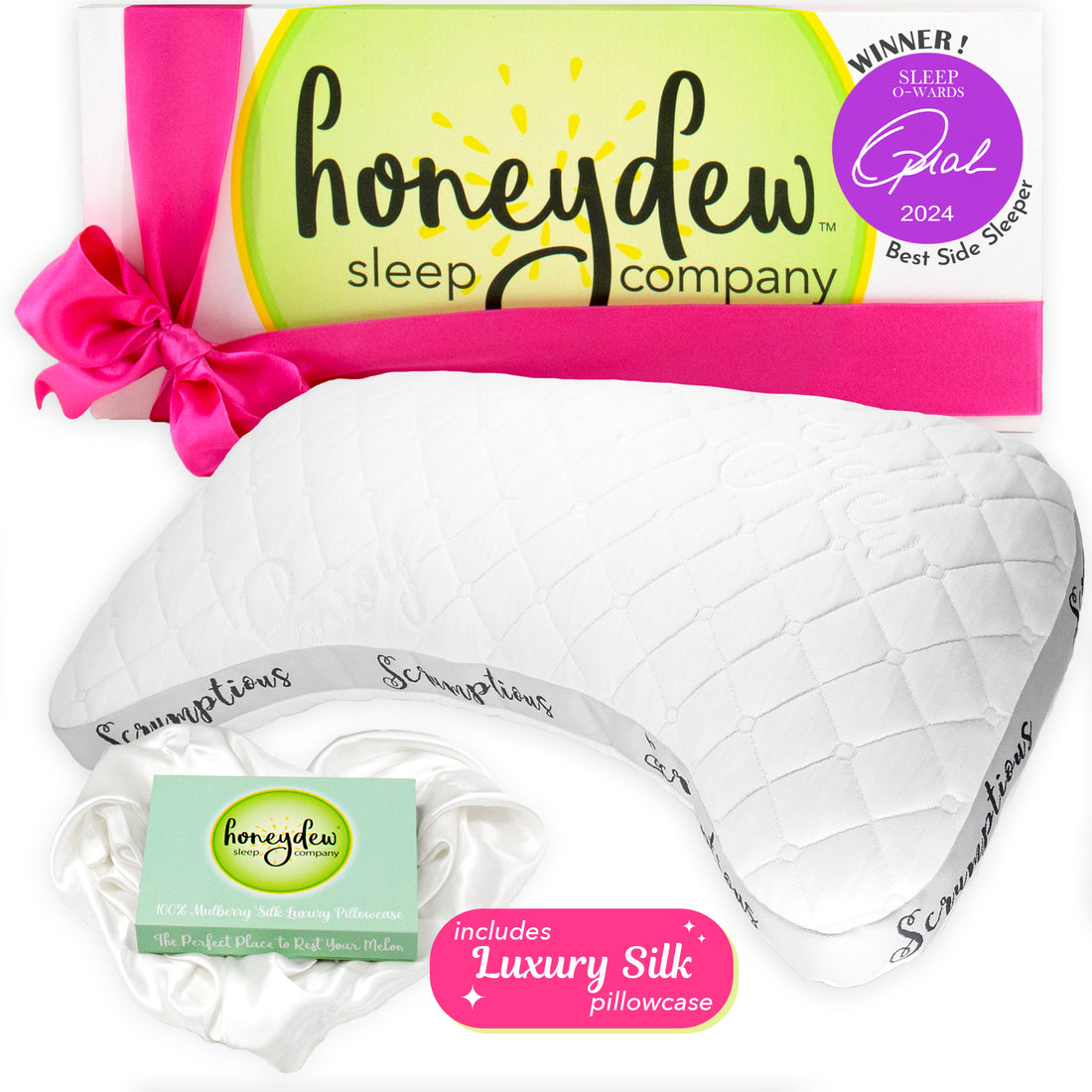 The Silk Dreams Luxury Gift Set for Side Sleepers
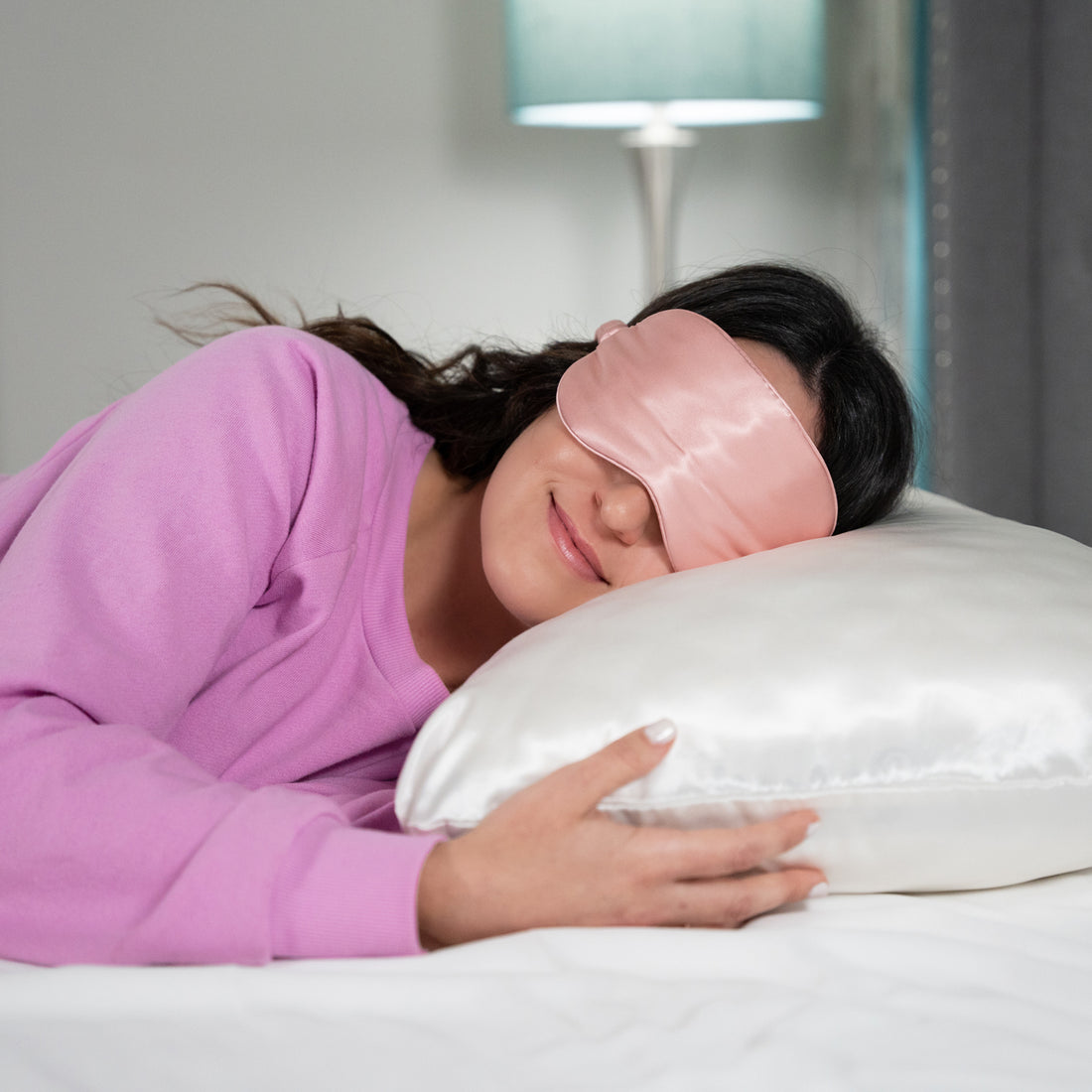 The Forever Young Beauty Box by Honeydew Sleep
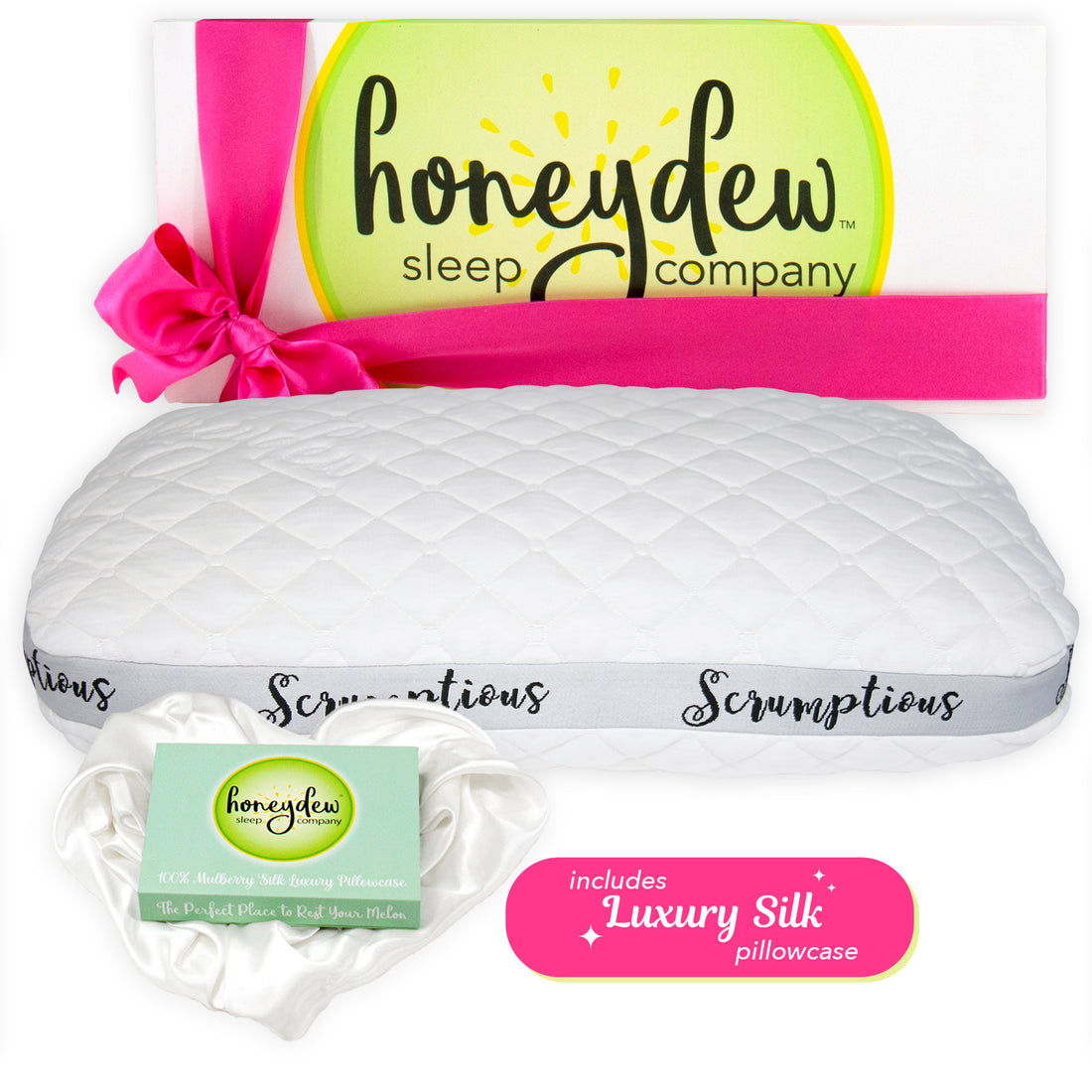 The Silk Dreams Luxury Gift Pack - Classic Scrumptious
 Honeydew Gift Card
 2 Scrumptious Side Pillows & 1 Silk Pillowcase (Queen Size)
 2 Scrumptious Side Pillows & 1 Silk Pillowcase (King Size)
 The Weekend Getaway - A Honeydew Travel Amenities Package for Couples
 The Pain Warrior's Secret Weapon - The Ultimate Toolkit for People with Neck Pain (Queen)
 The Pain Warrior's Secret Weapon - The Ultimate Toolkit for People with Neck Pain (King)
 The Frequent Flier - A Honeydew Travel Essentials Kit for Jet Setters, Road Warriors & Adventurers
 Spa While You Sleep - An Anti-Aging Beauty Essentials Kit for Total Rejuvenation
 Silky Slumber for Scrumptious Snugglers - Full Body Comfort for Hot Sleepers
 His & Hers Honeydew Side Sleeper Starter Kit - The Ultimate Luxury Bed Upgrade (Queen Size)
 His & Hers Honeydew Side Sleeper Starter Kit - The Ultimate Luxury Bed Upgrade (King Size)


