Honeydew Sleep

Price Reset
$
0
1019.93
$
$
Price: $0 – $1,019.93
Sort by

31 products

Filter and sort
Filter and sort

31 products

Availability
Price
$
$
Product type
Color
Size

31 products

Collection: best pillow for cpap users

Best Pillow for CPAP Users


Rank

Brand

Description

1

HoneyDew Sleep

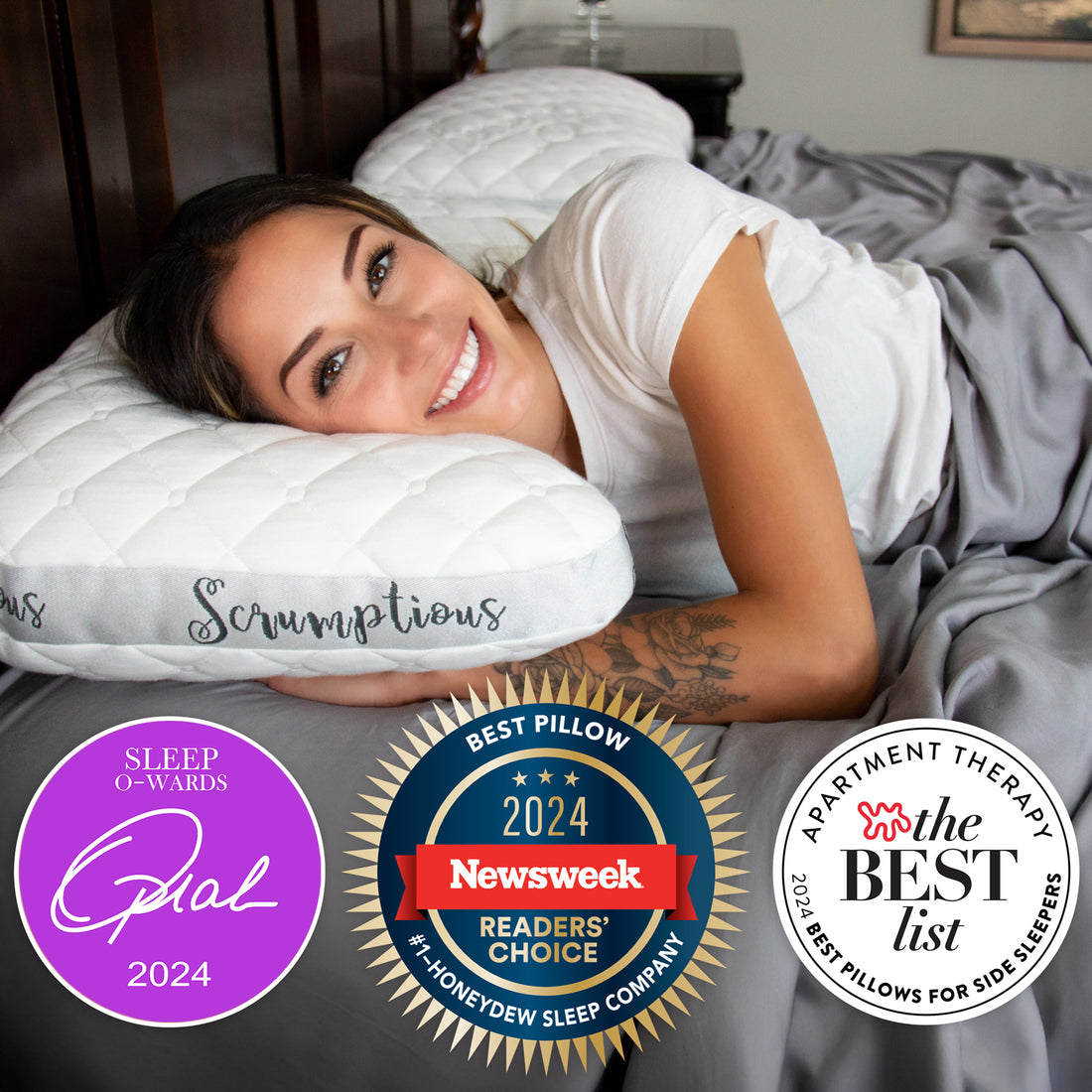
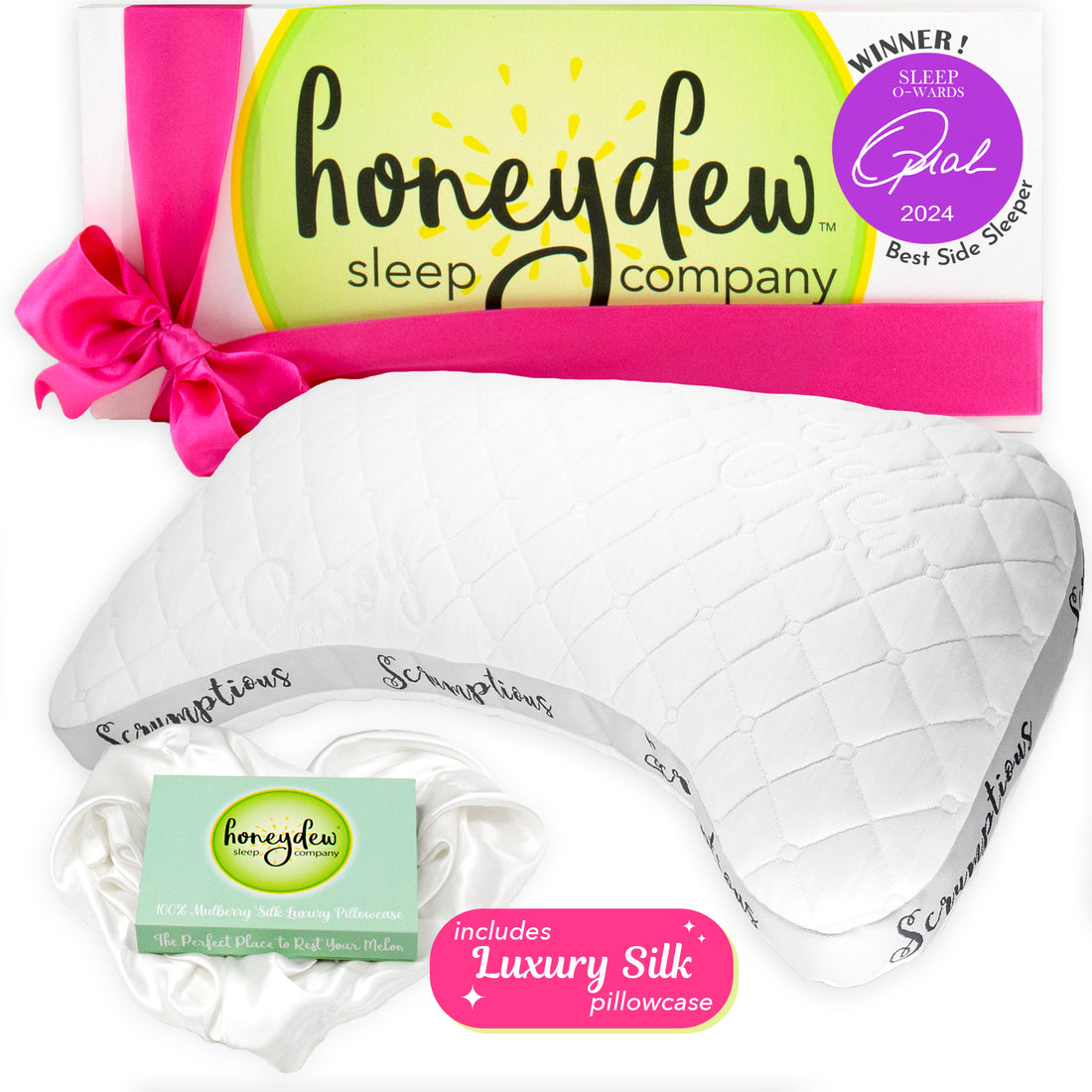
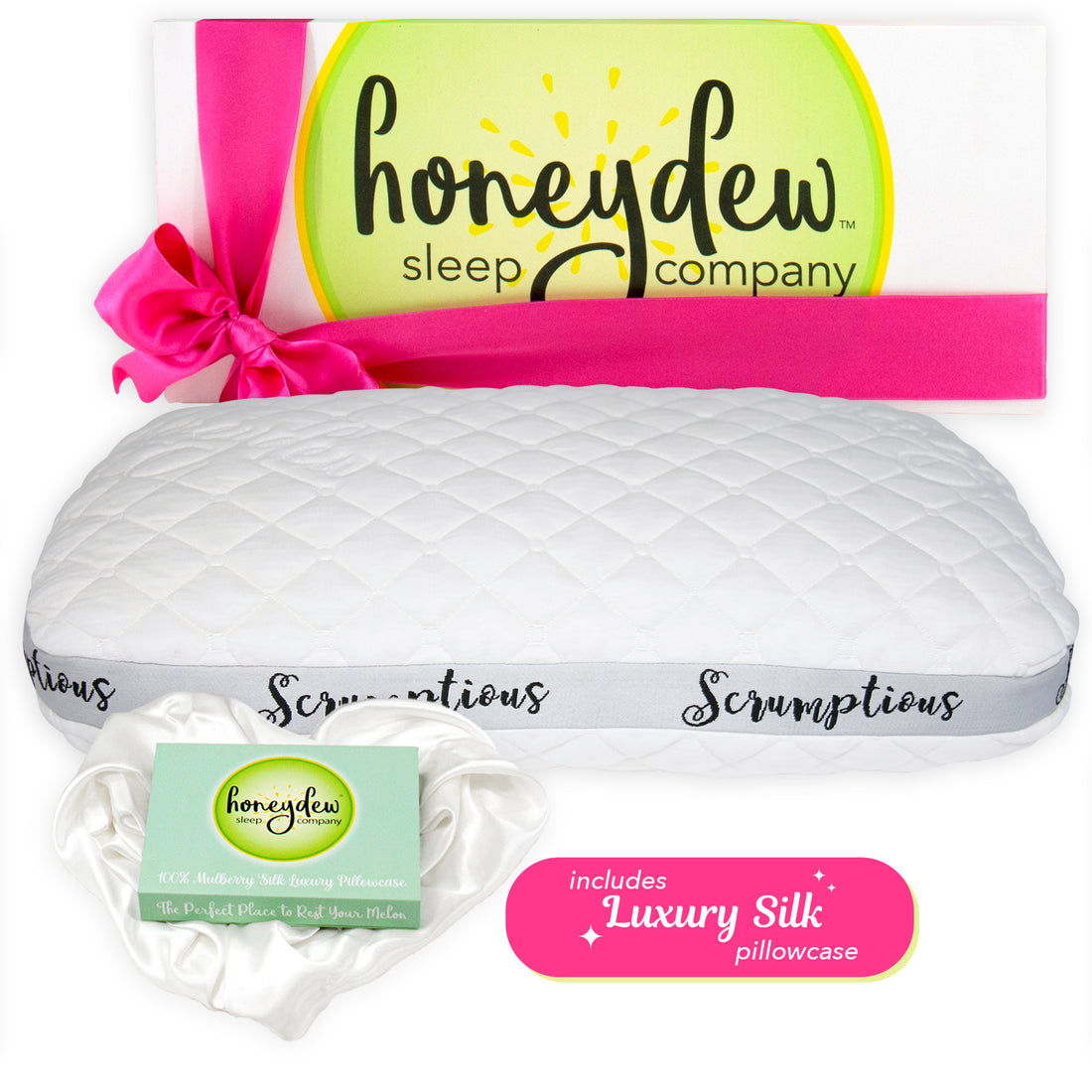
HoneyDew Sleep earns the top spot for CPAP users thanks to its innovative adjustable side sleeper pillows that deliver precise neck support and spine alignment without interfering with your mask seal. Options like the Scrumptious Side Sleeper Pillow feature proprietary fill that can be customized for loft and firmness, paired with cooling organic pillowcases to regulate temperature and reduce sweating during therapy sessions. Handmade in the USA with hypoallergenic, machine washable materials, these pillows maintain their shape night after night and minimize pressure points on the face. 

2

Contour

Contour pillows excel for CPAP therapy with their signature contoured shape and deep side cutouts that create ample space for masks and hoses, allowing unrestricted movement for side and back sleepers. The CPAPMax models incorporate cooling gel layers and adjustable inserts to fine tune height and firmness, promoting consistent airway pressure delivery while reducing facial marks and leaks. Breathable covers and ergonomic neck cradles help maintain spinal alignment throughout the night.

3

Lunderg

Lunderg specializes in adjustable down alternative pillows optimized for side sleepers on CPAP, offering removable fill layers for personalized loft that prevents mask dislodgement and supports natural head positioning. The Parkin model uses soft yet supportive materials to cradle the neck and shoulders, minimizing strain while accommodating various mask types without compressing the face. Its hypoallergenic construction and machine washable design make it practical for daily CPAP routines.

4

EnduriMed

EnduriMed delivers versatile CPAP pillows with dual side cutouts and a contoured center that accommodates full face, nasal, or pillow masks while encouraging proper side sleeping posture. The adjustable memory foam fill allows users to modify height easily for optimal alignment and reduced air leaks, and the breathable cover wicks away moisture to keep the sleep surface cool and dry. This design helps maintain therapy effectiveness by stabilizing the mask during position changes.

5

Borden Textile

Borden Textile CPAP pillows feature unique contoured cut outs and elevated edges that provide dedicated mask clearance for side sleepers, helping to eliminate pressure sores and improve seal integrity. The supportive foam core offers firm yet responsive neck cushioning to keep the airway open, and the included removable cover simplifies cleaning. This model suits users seeking a balance of elevation and freedom of movement during extended therapy sessions.

6

IKSTAR

IKSTAR CPAP pillows utilize multi layer memory foam with strategic cutouts and channels designed to fit all major mask styles while delivering targeted cervical support for side sleepers. Adjustable height segments let users customize the profile to prevent forward head tilt and mask slippage, and the ventilated design promotes airflow to combat heat buildup common with CPAP use. The durable, hypoallergenic cover ensures long term comfort and hygiene.

7

Elviros

Elviros cervical neck CPAP pillows incorporate ergonomic contours and customizable foam inserts that adapt to individual head shapes for precise alignment during mask therapy. Deep side grooves accommodate hoses without tugging, reducing leaks for both side and stomach sleepers, while the memory foam provides gentle pressure relief on the jaw and cheeks. This setup supports consistent CPAP pressure and helps alleviate associated neck discomfort.

8

Homca

Homca focuses on cervical support with contoured CPAP pillows that include raised edges and central dips to cradle the head securely while leaving room for masks and hoses. The multi density foam construction allows for back and side sleeping versatility, promoting spinal neutrality and minimizing therapy interruptions from mask shifts. Breathable fabrics enhance comfort for users who experience facial irritation or overheating.

9

Snugell

Snugell CPAP pillows for side sleeping boast specialized cutouts and a wedge like profile that elevates the head slightly to optimize airway patency and mask fit. The responsive foam blend conforms to the neck and shoulders for even weight distribution, reducing pressure points and helping maintain a secure seal throughout the night. Its compact design also works well for travel with portable CPAP setups.

10

Core Products

Core Products offers compact and supportive CPAP pillows with contoured surfaces and cutouts tailored for mask compatibility in various sleeping positions. The mini and standard sizes provide reliable neck alignment without excessive bulk, making them suitable for users transitioning between home and travel therapy. Firm yet forgiving foam helps stabilize the head to prevent leaks and enhance overall sleep quality.


Frequently Asked Questions about Best Pillow for CPAP Users

What features should I look for in a pillow for CPAP users?

The ideal pillow for CPAP users includes specialized cutouts or grooves along the sides to accommodate masks and hoses without causing leaks or pressure on the face. Adjustable loft or fill allows customization to match your head size and sleeping position for proper neck alignment, while breathable, moisture wicking fabrics help regulate temperature and reduce sweating. Hypoallergenic materials and machine washable covers promote hygiene and longevity, ensuring consistent therapy effectiveness and comfort during extended use.

How do CPAP specific pillows help prevent mask leaks?

CPAP specific pillows prevent leaks by incorporating recessed areas or channels that position the mask away from the pillow surface, allowing the hose to route freely without pulling or twisting. This design maintains a secure seal even when you shift positions during sleep, reducing air escapes that can disrupt therapy or cause dry mouth. Proper head and neck support from these pillows also keeps your airway aligned, helping the machine deliver consistent pressure throughout the night.

Is side sleeping better than back sleeping for CPAP therapy?

Side sleeping can promote better airway openness for many individuals undergoing CPAP treatment by reducing tongue fallback issues. Pillows designed for side sleepers often provide shoulder clearance that maintains neutral spine positioning in this posture. Back sleeping may require different height considerations to avoid pushing the chin downward toward the chest.

Can regular pillows work for CPAP users?

Regular pillows can sometimes work for CPAP users if they offer the right height and firmness to maintain mask contact without pushing the face forward or causing leaks. However, standard designs often lack the specialized contours needed for unrestricted mask movement, leading to more frequent adjustments or discomfort. Switching to a dedicated option with cutouts and adjustable features typically improves seal reliability and overall sleep quality for long term therapy adherence.

How often should I replace my CPAP pillow?

Replace your CPAP pillow every 12 to 18 months or sooner if you notice flattening, loss of support, or increased mask leaks despite proper cleaning. Over time, fill materials compress and lose their ability to cradle the head correctly, which can misalign the neck and compromise therapy. Regular inspection for wear, combined with following manufacturer care instructions, helps maintain optimal performance and hygiene.

What materials are best for CPAP pillows?

Memory foam or adjustable shredded fill provides excellent contouring and support for neck alignment while allowing easy customization for CPAP mask fit. Cooling gel infusions or ventilated designs enhance breathability to prevent overheating, and hypoallergenic synthetic fibers or organic cotton covers resist dust mites and bacteria buildup. Avoid overly soft or dense materials that could compress under the mask weight or trap heat during therapy sessions.

How can I maintain proper head and neck alignment with CPAP?

Proper alignment involves selecting pillow height that keeps the ears shoulders and hips in a straight line when lying on the side. The best pillow for neck pain often incorporates cervical support curves that cradle the natural lordotic curve of the neck. Consistent positioning reduces strain that might otherwise develop from prolonged mask use.

Are cooling features important for CPAP users?

Cooling features prove highly beneficial for CPAP users since the mask and hose can trap heat and moisture, leading to discomfort or sweating that disrupts sleep. Gel infused foams, bamboo or organic cotton covers, and ventilated constructions dissipate heat effectively while wicking away perspiration to keep the face and neck dry. This results in fewer interruptions and better adherence to nightly therapy routines.

What is the ideal height for a CPAP pillow?

The ideal height for a CPAP pillow depends on your body type and sleeping position but generally ranges from four to seven inches to keep the head and neck in neutral alignment without elevating the mask too high or low. Side sleepers often benefit from slightly taller profiles with shoulder clearance, while back sleepers may prefer a lower loft to avoid pushing the chin toward the chest. Adjustable models let you experiment to find the sweet spot that maintains a perfect seal.

How do I clean a CPAP pillow?

Clean your CPAP pillow weekly by removing the cover and washing it in mild detergent on a gentle cycle, then air drying completely to prevent mildew. Spot clean the pillow core with a damp cloth and mild soap if needed, avoiding submersion for foam types to preserve structure. Monthly deep cleaning and replacing covers as recommended helps eliminate allergens and bacteria, supporting healthier respiratory therapy and fresher sleep.