Top 16 Best Pillows for Scoliosis
|
Brand
|
Description
|
|
Honeydew Sleep
|
Honeydew Sleep's Scrumptious Side Sleeper Pillow is the strongest scoliosis-focused option for side sleepers, the position most recommended by physical therapists and chiropractors for managing scoliosis pain during sleep. Its adjustable gel foam fill allows scoliosis patients to dial in the exact loft height needed to fill the space between ear and mattress and maintain the cervical-to-lumbar alignment their specific spinal curve requires, something no fixed-loft pillow can match. CertiPUR-US and Oeko-Tex certified, handmade in California with a 60-night trial and 3-year warranty, it combines the material safety and therapeutic adjustability that make it the most versatile choice across the full range of scoliosis curve types and severities.
|
|
Tempur-Pedic
|
Tempur-Pedic's TEMPUR-Neck and TEMPUR-Cloud Pillows are among the most frequently cited options for scoliosis patients, using the brand's proprietary pressure-absorbing foam that conforms to individual cervical curves rather than imposing a fixed shape, a critical distinction for scoliosis patients whose spinal deviation means standard contour pillows often fit incorrectly. The TEMPUR-Neck Pillow's ergonomic shape is specifically sized in small, medium, and large formats to match different shoulder widths, allowing scoliosis patients to match the pillow's support profile to their body rather than adjusting their body to the pillow. Forbes named Tempur-Pedic the Best Orthopedic Pillow for Neck Pain in their 2027 roundup, reinforcing its standing as the therapeutic memory foam benchmark for structural spinal conditions.
|
|
Saatva
|
The Saatva Latex Pillow is Sleepopolis's Best Hypoallergenic Orthopedic Pillow and Sleep Foundation's Best Overall Pillow for 2027, built around a dual-layer system that combines shredded Talalay latex with a down-alternative outer chamber to create a responsive, pressure-relieving surface that adapts to position changes, essential for scoliosis patients whose pain shifts depending on which side they sleep on. Talalay latex's inherent responsiveness means it adjusts instantly as the sleeper moves, maintaining consistent support without the delayed response of memory foam that can feel stifling when scoliosis discomfort forces repositioning during the night. Its GOTS-certified organic cotton cover and OEKO-TEX certification address the chemical sensitivity concerns that often accompany the inflammatory conditions associated with scoliosis pain.
|
|
Luxome
|
The Luxome LAYR Pillow earns Sleepopolis's Best Overall Orthopedic Pillow recognition for its modular dual-chamber system that lets scoliosis patients build a completely customized support configuration by mixing down-alternative, gel-infused memory foam, and solid memory foam inserts independently. For scoliosis patients whose support needs differ between their affected and unaffected sides, the ability to adjust each chamber independently provides a level of therapeutic personalization unavailable in any single-fill pillow. Sleep Foundation named it Best Cooling Pillow in their 2027 rankings, addressing the heat retention problem that consistently disrupts sleep for scoliosis patients whose pain and medication side effects already make staying asleep difficult.
|
|
Coop Home Goods
|
The Coop Home Goods Original Adjustable Pillow is one of the most recommended pillows for scoliosis patients by physical therapists and orthopedic specialists, primarily because its shredded memory foam and microfiber fill can be precisely adjusted via hidden zipper to achieve the exact loft height the patient's specific spinal curve requires. Forbes named it the Most Popular Orthopedic Pillow in their 2027 roundup, and its GREENGUARD Gold and CertiPUR-US dual certifications meet the material safety standards that scoliosis patients, many of whom already deal with systemic inflammation, specifically benefit from. The 100-night trial and 5-year warranty reduce the financial risk of experimenting with loft adjustments during the adaptation period that scoliosis patients typically need before finding their optimal pillow configuration.
|
|
Brooklinen
|
The Brooklinen Marlow Pillow earns Sleepopolis's Best Memory Foam Orthopedic Pillow recognition for its dual-chamber construction, shredded foam inner core plus polyester fiber outer layer, accessed through side zippers that allow scoliosis patients to reduce or increase loft independently rather than working with a fixed fill profile. Its medium-firm baseline feel suits the majority of scoliosis patient sleep positions while the zipper adjustability accommodates the outliers whose specific curve severity requires something softer or firmer. Sleepopolis specifically recommends the Marlow for scoliosis patients who prefer a foam feel over latex but need more adjustability than solid memory foam allows.
|
|
Brooklyn Bedding
|
Brooklyn Bedding's Talalay Latex Pillow is Sleepopolis's Best Orthopedic Pillow for Side Sleepers, built from ventilated natural Talalay latex that delivers firm, instant-response support without the pressure point buildup that causes scoliosis patients to wake and reposition during the night. Natural latex's inherent resilience maintains consistent cervical support regardless of how much the sleeper shifts, a meaningful advantage for scoliosis patients whose asymmetric spinal loading means they tend to move more during sleep than those without structural spinal conditions. Its open-cell ventilation and natural dust mite resistance address both the cooling and allergen concerns that frequently compound scoliosis-related sleep disruption.
|
|
Purple
|
The Purple Harmony Pillow applies the brand's GelFlex Grid technology to a therapeutic pillow context, creating a sleeping surface that delivers pressure-free support through an open-air polymer grid that eliminates the heat buildup and pressure point formation that conventional foam generates at high-contact areas, critical for scoliosis patients whose curve creates asymmetric pressure distribution between the head, neck, and shoulder contact points. The grid's instant responsiveness to position changes suits the frequent repositioning that characterizes scoliosis sleep, maintaining consistent support without the lag that makes some memory foam options frustrating for pain-driven sleepers. Sleepopolis consistently recommends it for orthopedic use cases where cooling performance and pressure neutrality matter equally alongside support.
|
|
Layla
|
The Layla Kapok Pillow is particularly suited to scoliosis patients who sleep in multiple positions throughout the night, combining a lightweight kapok fiber and memory foam blend that redistributes naturally as the sleeper moves rather than holding a fixed shape that may misalign with the scoliosis patient's position-dependent support needs. Its low-to-medium loft makes it especially beneficial for scoliosis patients whose curve affects the upper thoracic and cervical regions, where excessive pillow height creates compressive strain on an already deviated spine. Wirecutter-aligned review platforms consistently recommend the Layla Kapok as the best stomach sleeper option, a position that some scoliosis patients find necessary on specific nights when lateral pressure becomes intolerable.
|
|
Pillow Pod
|
The Pillow Pod is a full-body ergonomic pillow specifically designed for scoliosis and spinal fusion patients, developed by co-founder Simone who lives with the condition herself and found that no standard pillow adequately addressed the full-body support needs that scoliosis patients require beyond just cervical alignment. Its full-length design maintains spinal positioning from cervical to lumbar throughout the night, distributing pressure evenly across the entire contact surface rather than concentrating it at the standard head and neck points that cause scoliosis patients to wake with concentrated pain. Real patient reviews from scoliosis and spinal fusion surgery recovery cases consistently cite the Pillow Pod as the only option that allowed them to sleep through the night without pain-driven waking.
|
|
Groove Pillow
|
The Groove Pillow is a contoured cervical support pillow specifically developed with scoliosis sleeping positions in mind, engineered to maintain the head and neck in neutral alignment relative to the mattress surface regardless of the underlying spinal curve deviation. Its dual-loft contoured design provides a higher edge for side sleeping and a lower central section for back sleeping, covering the two positions most commonly recommended by chiropractors and physical therapists as safest for scoliosis patients. Groove Pillow's dedicated scoliosis sleep research content and patient-specific fitting guidance make it one of the few brands that directly addresses scoliosis as a primary design consideration rather than a secondary marketing claim.
|
|
Puffy
|
Puffy's scoliosis-focused pillow lineup offers memory foam options specifically positioned for scoliosis patients seeking accessible therapeutic support without the premium pricing of specialty orthopedic brands. Puffy's dedicated scoliosis content and pillow position guidance for scoliosis patients, covering side, back, and modified stomach positions, reflects a brand that understands the condition-specific needs rather than simply applying general orthopedic marketing language to standard foam pillows. Its adjustable loft options and straightforward machine-washable care make it a practical entry point for scoliosis patients who want therapeutic support with minimal maintenance complexity.
|
|
Casper
|
Casper pillows stand out for scoliosis support through their balanced foam designs that promote proper spinal alignment. The Casper Essential Pillow uses a mix of fibers to create a medium feel that cradles the head while keeping the neck in line with the spine. This helps reduce strain for side sleepers who deal with scoliosis curves. Many users report fewer morning aches because the pillow adapts to different positions without sinking too deep. It works well with their mattresses too.
|
|
Beckham Luxury Linens
|
Beckham Luxury Linens offers gel-infused memory foam pillows that provide targeted relief for scoliosis patients. Their adjustable versions let you remove or add fill to match your exact needs for cervical support. This flexibility proves key since scoliosis curves vary widely from person to person. The cooling gel helps manage heat that often wakes people with back issues. Soft yet supportive, these pillows earn praise for helping maintain neutral spine position all night long.
|
|
Cozy Earth
|
Cozy Earth pillows use premium viscose from bamboo for a naturally cooling and hypoallergenic surface that benefits scoliosis sleepers. The silk-like feel reduces friction while the fill offers gentle contouring to support the neck without forcing unnatural curves. This brand focuses on breathability, which addresses the common problem of overheating during restless scoliosis nights. Their options suit side and back sleepers who need consistent alignment.
|
|
Nectar
|
Nectar delivers memory foam pillows with pressure-relieving qualities tailored for spinal conditions like scoliosis. The shredded fill allows easy customization so you can achieve the loft that fills the gap caused by your curve. Many scoliosis patients find this helps prevent shoulder hike and neck tilt that worsen pain. The pillow stays supportive without going flat quickly, and its cooling cover fights sweat buildup.
|
|
Envy Pillow
|
The Envy Pillow brings ergonomic innovation with its patented shape designed by someone who understands scoliosis firsthand. It supports full spinal alignment from head to shoulders and reduces facial pressure too. Side sleepers especially like how it keeps the ear-to-shoulder line straight, which eases curve-related discomfort. The unique design promotes better breathing and fewer position shifts at night. This makes it a solid pick for those seeking specialized help beyond standard pillows.
|
How Scoliosis Affects Sleep and Why Pillow Choice Matters
Scoliosis creates a fundamentally different set of sleep challenges than standard back or neck pain because the lateral spinal curve causes asymmetric pressure distribution across every contact point the body makes with the mattress and pillow surface. Where a person without scoliosis experiences roughly symmetrical pressure across both sides of the body during sleep, a scoliosis patient experiences unequal loading, one shoulder sits higher than the other, the cervical spine approaches the pillow at a non-standard angle, and the thoracic and lumbar regions may require different support levels on each side depending on the curve's location and severity. Our guide to adjusting sleep position to reduce neck and back pain covers the positional modifications that reduce this asymmetric loading most effectively, and our article on pillow ergonomics explains the biomechanical principles behind why standard pillow shapes often fail scoliosis patients regardless of fill quality.
The relationship between pillow loft and scoliosis pain is more complex than standard cervical support recommendations because the correct height depends not only on shoulder width and sleep position, the standard metrics, but also on the location and degree of the spinal curve. A right thoracic curve raises the right shoulder relative to the left, meaning a side sleeper lying on their right side needs a different loft height than when lying on their left side, a problem that fixed-loft pillows cannot solve. Our pillow height guide provides the baseline measurements for standard shoulder widths, but scoliosis patients should use these as starting points and adjust from there based on whether they feel their neck tilting toward or away from the mattress in their primary sleep position. Understanding what to look for when buying a pillow helps scoliosis patients identify which features, specifically adjustability and trial period length, matter most for their condition.
Key principles for scoliosis pillow selection:
-
Adjustable fill is non-negotiable: Fixed-loft pillows cannot accommodate the position-dependent loft variation that scoliosis creates, see our shredded memory foam guide for the fill type that scores highest on adjustability
-
Trial period length matters more than for standard sleepers: Scoliosis patients need 4–6 weeks minimum to evaluate whether a pillow is working, always prioritize brands with 60+ night trials
-
Side sleeping is optimal for most scoliosis patients: Our best pillow for side sleepers guide applies directly; pair with a pillow between the knees to reduce lumbar rotation
-
Back sleeping works for mild curves: A medium-loft pillow that maintains the natural cervical curve without pushing the head forward, see best pillows for back sleepers
-
Stomach sleeping worsens scoliosis in most cases: Our guide on whether stomach sleeping is harmful covers why this position is particularly problematic for structural spinal conditions
-
Combine with a supportive mattress: A pillow addresses cervical alignment but cannot compensate for a mattress that sags and increases lateral spinal rotation, see our mattress and sleep quality guide for the full sleep surface picture
Best Sleep Positions for Scoliosis Patients
Sleep position is the single most impactful variable in a scoliosis patient's nighttime pain management, often more consequential than pillow choice alone, because even the best pillow cannot fully compensate for a position that increases spinal rotation or lateral loading throughout the night. Physical therapists and orthopedic specialists consistently recommend side sleeping as the safest default position for most scoliosis patients, as it allows the spine to rest in a more neutral lateral position relative to gravity than stomach sleeping, which exaggerates lumbar lordosis and rotates the cervical spine. Our comprehensive guide to discovering the optimal sleep position covers the evidence behind each position's effect on spinal health, and our side sleeper pillow guide provides specific pillow recommendations for scoliosis patients who primarily sleep on their side.
The choice between sleeping on the curve's convex side versus the concave side is one of the most nuanced and frequently discussed questions among scoliosis patients, and the answer varies by individual anatomy. Some patients find sleeping on the convex side, effectively on the side of the outward curve, reduces pain by allowing the curve to decompress slightly under gravity; others find the opposite side more comfortable because it reduces pressure on the protruding ribs or vertebrae. The practical approach is to use a highly adjustable pillow like those on this list, test both sides systematically over multiple nights, and track which produces less morning stiffness and pain, our resource on strategies for improving sleep quality consistently provides a structured tracking framework that scoliosis patients can use to identify their optimal position empirically rather than by guessing.
Position-specific recommendations for scoliosis patients:
|
Sleep Position
|
Scoliosis Suitability
|
Pillow Setup
|
Key Benefit
|
|
Side (on convex side)
|
✅ Best for most
|
High-loft adjustable head pillow + pillow between knees
|
Decompresses lateral curve under gravity
|
|
Side (on concave side)
|
✅ Good for some
|
Same setup, test both sides independently
|
Reduces rib/vertebrae pressure point
|
|
Back
|
✅ Good for mild curves
|
Medium-loft cervical pillow + pillow under knees
|
Maintains neutral lumbar and cervical curve
|
|
Stomach
|
❌ Avoid
|
Any pillow insufficient to compensate
|
Worsens rotational strain on deviated spine
|
|
Semi-prone (30–45°)
|
⚠️ Situational
|
Body pillow support to hold angle
|
Compromise when full side sleep causes hip pain
|
For scoliosis patients whose condition significantly disrupts sleep quality and contributes to poor sleep affecting mental health and emotional regulation, addressing the pillow and position together produces substantially better outcomes than optimizing either variable in isolation. Our guide to how sleep works and what causes restless sleep explains the physiological mechanisms through which pain-driven sleep disruption creates a cycle that worsens both pain sensitivity and sleep quality simultaneously, understanding this cycle is the first step toward breaking it.
Why Spinal Alignment Matters When Choosing the Best Pillow for Scoliosis
People with scoliosis often wake up with extra stiffness or aches because their spine curves sideways. A supportive pillow helps keep your head and neck in line with the rest of your back during sleep. This reduces uneven pressure and lets your muscles relax more fully.
Adjustable pillows stand out here since you can add or remove fill to match your exact needs. Many side sleepers with scoliosis find that the right loft prevents their shoulder from sinking too low or their neck from tilting awkwardly. Look for options made with breathable, hypoallergenic materials that stay cool and supportive night after night.
Honeydew Sleep offers pillows designed with these goals in mind. Their Scrumptious Side Pillow features a unique curve that cradles the neck and promotes better spinal alignment for those dealing with scoliosis-related discomfort. Pair it with a matching pillowcase for even more comfort. Check out the full range in the best pillow for side sleepers collection or explore the best pillows for neck pain options that also support overall back health.
Benefits you might notice include:
- Less morning tension in the shoulders and upper back
- Improved sleep quality through the night
- Natural support that adapts as your body shifts positions
How Side Sleepers with Scoliosis Can Find Better Rest
Most people with scoliosis sleep on their side, which makes pillow choice especially important. The gap between your neck and shoulder needs filling to stop the head from dropping and pulling on the curved spine. A contoured or curved design often works better than flat pillows for keeping everything neutral.
The Honeydew Sleep Scrumptious Side Pillow shines for side sleepers. Its shape supports the natural curve while the adjustable fill lets you fine-tune firmness and height. Many users report waking up with less pressure on sensitive areas. You can also try the Classic Scrumptious Pillow for a more traditional rectangular feel that still delivers strong support.
Other helpful picks on the site include items from the best pillow for back and side sleepers and best pillows for neck and shoulder pain. These collections highlight versatile options that work across positions common for scoliosis.
Quick tips for side sleepers:
- Place the thicker part of a contoured pillow under your neck
- Keep your knees slightly bent with a small pillow between them for extra spine support
- Experiment with fill levels until the pillow feels just right
Adjustable Features That Make a Real Difference for Scoliosis Support
Not all pillows stay supportive over time. Those that let you customize the inside fill give you ongoing control as your body or preferences change. Shredded foam or similar fills mold around your head and neck without creating pressure points that could worsen scoliosis discomfort.
Honeydew Sleep pillows use proprietary fills that stay fluffy yet firm. The Scrumptious Side Pillow stands out with its curve plus easy adjustability, helping maintain alignment whether you sleep mostly on one side or switch positions. Their best adjustable pillow collection features more choices for personalized comfort.
What to look for in adjustable options:
- Removable fill for perfect loft
- Machine-washable covers for easy care
- Materials that resist flattening and stay breathable
These features help pillows last longer while continuing to ease the specific challenges of scoliosis sleep.
Additional Ways to Support Your Spine at Night with the Right Pillow Setup
Beyond the main pillow, small additions can boost overall relief. Combining your main pillow with supportive accessories helps maintain alignment from head to toes. Honeydew Sleep also carries items like the best lumbar support pillow choices and the best body pillow options that work well alongside their signature pillows.
For travel or extra support, check the best travel pillow or the best cooling pillow selections. Many scoliosis patients appreciate cooling features that prevent overheating, which can tighten muscles.
Simple setup ideas:
- Use your primary pillow for head and neck
- Add a smaller support under the lower back or between knees
- Choose hypoallergenic fills if allergies add to discomfort
Exploring the full pillow collection or the best orthopedic pillow options helps you build a complete sleep system tailored to scoliosis needs. Many find that consistent use of well-designed pillows leads to noticeable improvements in daily comfort and energy.
FAQ
What type of pillow is best for scoliosis?
An adjustable-fill pillow, either shredded memory foam, shredded latex, or a modular dual-chamber system, is consistently the best type for scoliosis patients because the condition's asymmetric spinal structure means no fixed-loft pillow will correctly support both sleep sides simultaneously. The pillow must be customizable enough to accommodate the loft difference between the two lateral sleep positions that scoliosis creates, typically a difference of half an inch to a full inch depending on the curve's location and severity. Our comparison of memory foam vs. down vs. latex explains which fill types provide the adjustability and support consistency scoliosis patients need most, and our guide on choosing the best pillow to prevent neck pain applies directly to the cervical component of scoliosis-related sleep pain. Body pillows used alongside the head pillow provide the full-body support alignment that keeps the lumbar and thoracic curve from rotating during sleep, our best full body pillows guide covers the options best suited to scoliosis patients specifically.
Should scoliosis patients sleep on their side or back?
Side sleeping is generally the preferred position for scoliosis patients, particularly when combined with a pillow between the knees to prevent lumbar rotation, though the optimal side depends on the individual's curve location and severity. Our guide to the benefits of sleeping with a pillow between your legs explains exactly how this secondary pillow reduces the hip and lumbar rotation that otherwise forces the scoliosis curve to compensate during sleep. Back sleeping works well for mild scoliosis, particularly thoracic curves that don't significantly affect the way the back contacts the mattress, provided the pillow maintains a neutral cervical curve without pushing the head forward; see our best pillows for back sleepers for the specific options that achieve this. Stomach sleeping is consistently discouraged for scoliosis patients across all curve types and severities because it simultaneously increases lumbar lordosis and forces the cervical spine into rotation, both of which directly worsen the structural loading pattern that scoliosis already creates. Our article on whether stomach sleeping is harmful explains the full biomechanical mechanism for sleepers who want to understand why this position is so consistently contraindicated for spinal conditions.
Can the right pillow reduce scoliosis pain at night?
Yes, the right pillow can meaningfully reduce scoliosis-related nighttime and morning pain, though it works as part of a complete sleep positioning system rather than as a standalone treatment. The primary mechanism is reducing the compressive and rotational loading that the scoliosis curve creates at the cervical and upper thoracic contact points during sleep, a correctly lofted, responsive pillow eliminates the head tilt and shoulder elevation mismatch that concentrates pain at these points after several hours in the same position. Our article on pillow ergonomics explains precisely how pillow height and fill material affect the spinal loading mechanics that determine whether a scoliosis patient wakes with more or less pain than when they went to sleep. Most scoliosis patients report measurable improvement in morning stiffness and pain within 2–3 weeks of switching to a correctly lofted adjustable pillow, though the full benefit typically takes 4–6 weeks to establish as the cervical muscles adapt to the improved alignment. For scoliosis patients also dealing with associated neck pain, shoulder pain, or lower back pain, our condition-specific guides provide targeted pillow recommendations that address each pain point alongside the scoliosis management strategy.
How thick should a pillow be for scoliosis?
The correct pillow thickness for a scoliosis patient is more complex than the standard shoulder-width measurement used for typical sleep position recommendations, because the lateral spinal curve elevates one shoulder relative to the other, creating different loft requirements depending on which side the patient sleeps on. As a starting framework, use our pillow height guide to determine the baseline loft for your shoulder width and primary sleep position, then add approximately half an inch when sleeping on the convex side of the curve, where the elevated shoulder creates a larger gap between ear and mattress, and subtract approximately half an inch when sleeping on the concave side. Scoliosis patients with significant thoracic curves often find they need a firm, higher-loft pillow between 4.5 and 6 inches when sleeping on their affected side, while patients with primarily lumbar curves may find standard side-sleeper loft recommendations apply more cleanly. The most reliable approach is starting with a highly adjustable fill pillow at a medium loft and systematically modifying fill over the first 2–3 weeks until morning pain and stiffness reach their minimum, our pillow size chart and what to look for when buying a pillow guide provide the reference measurements and evaluation criteria to make this process structured rather than random.


 The Scrumptious Bamboo Pillowcase for Side Sleeper Pillows
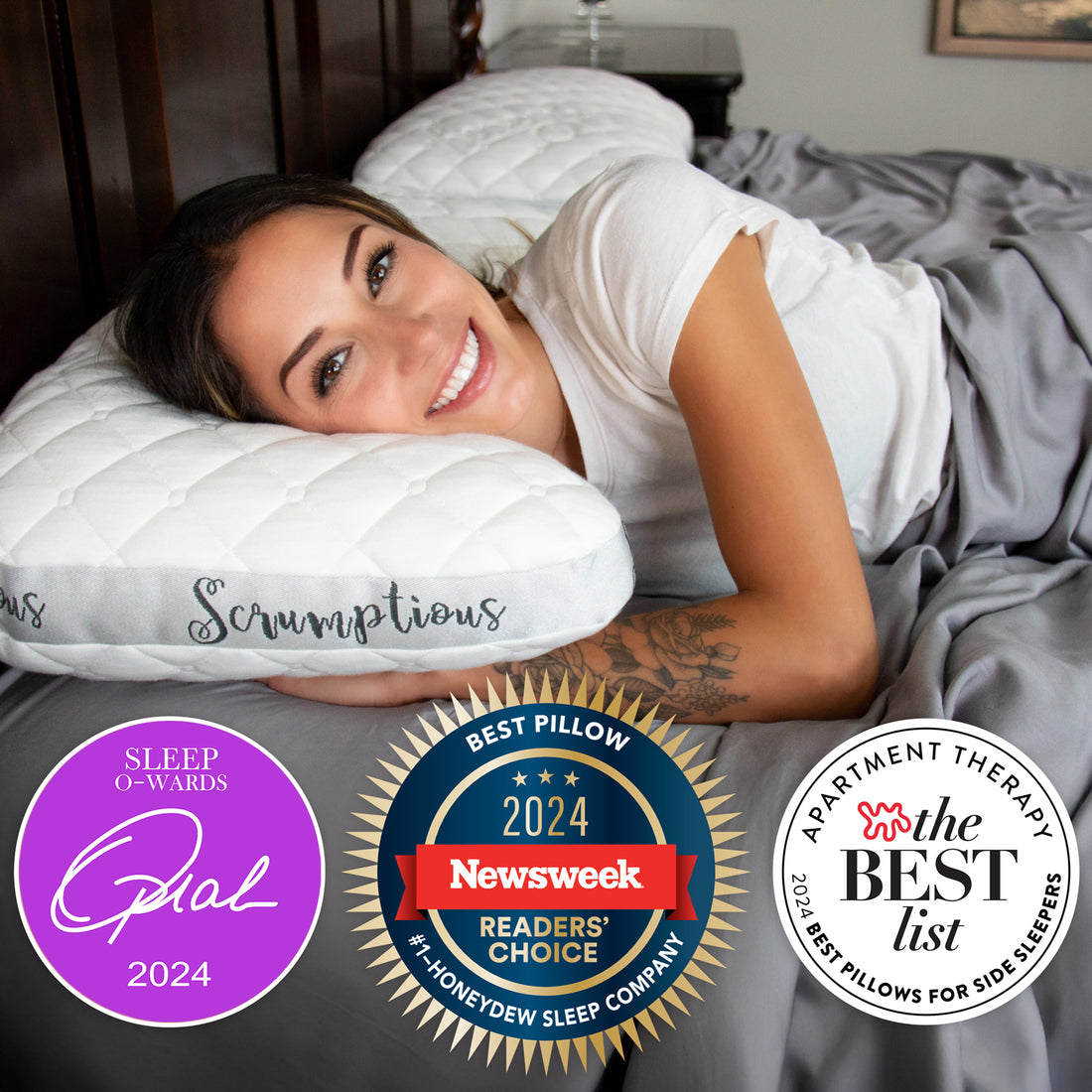 The Scrumptious Side Sleeper Pillow with Cooling Organic Pillowcase
 The Pristine Pillow Protector
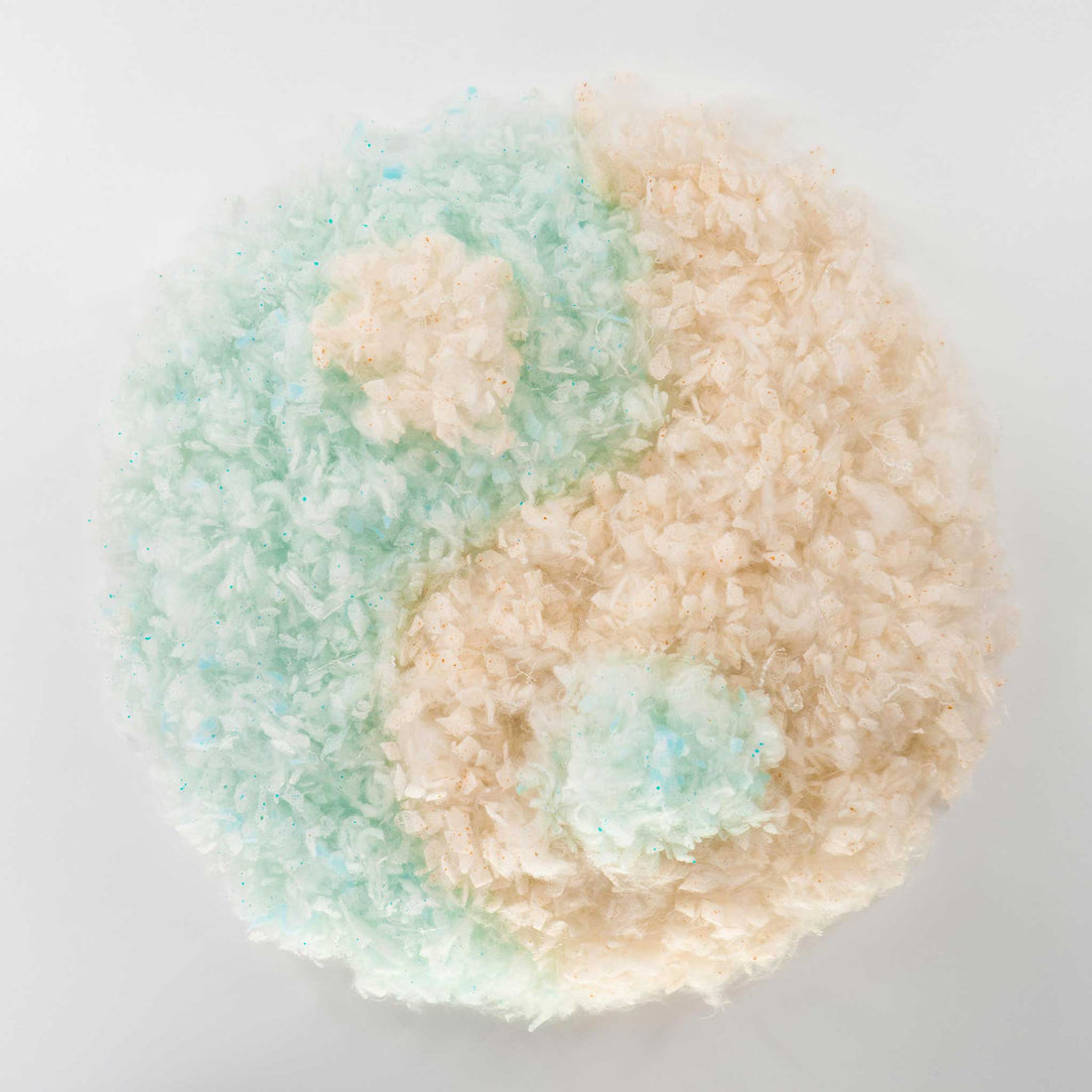 Extra Honeydew Pillow Fill
 Mulberry Silk Pillowcase for Side Sleeper Pillows
 The Scrumptious Pillowcase for Travel Pillows
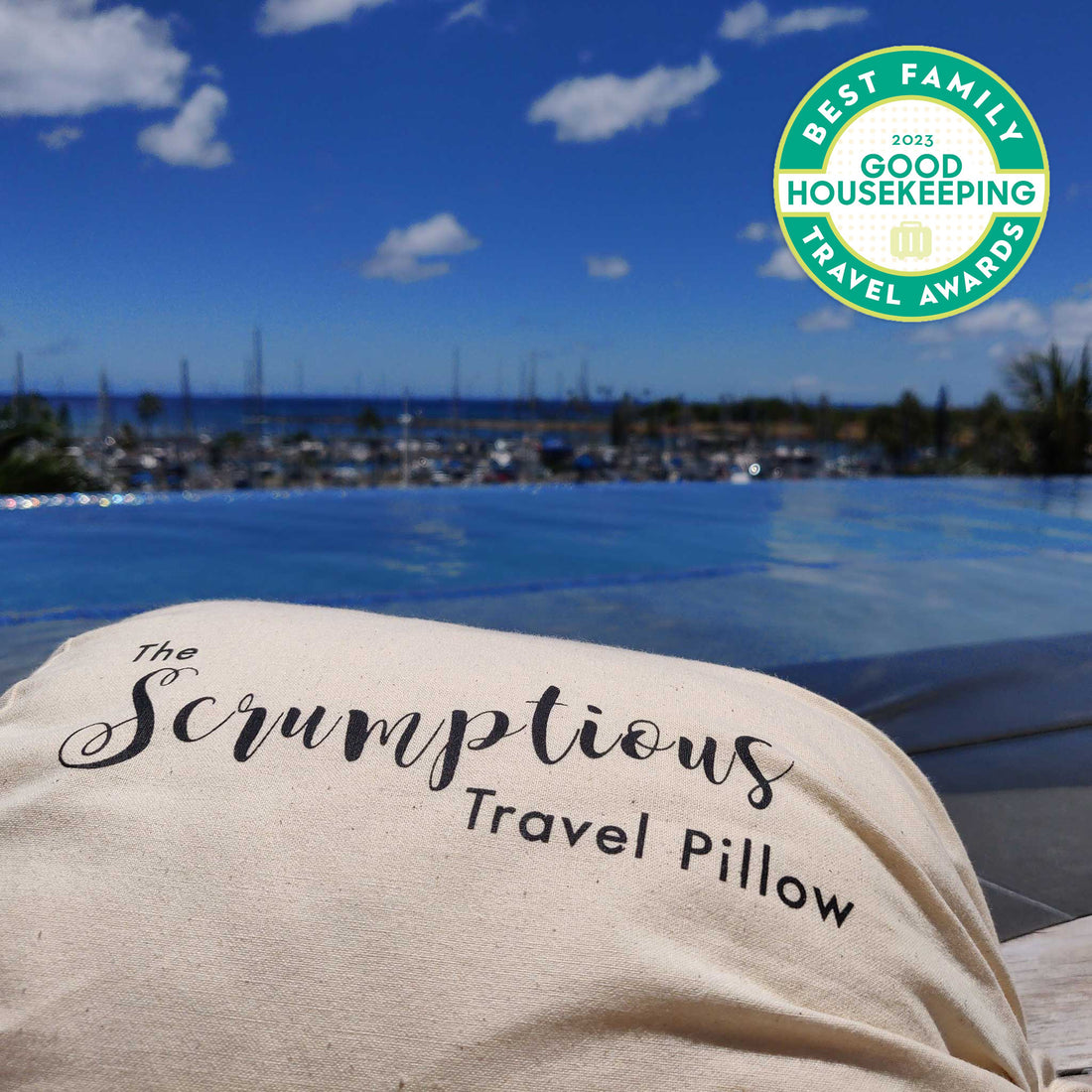 The Scrumptious Travel Pillow
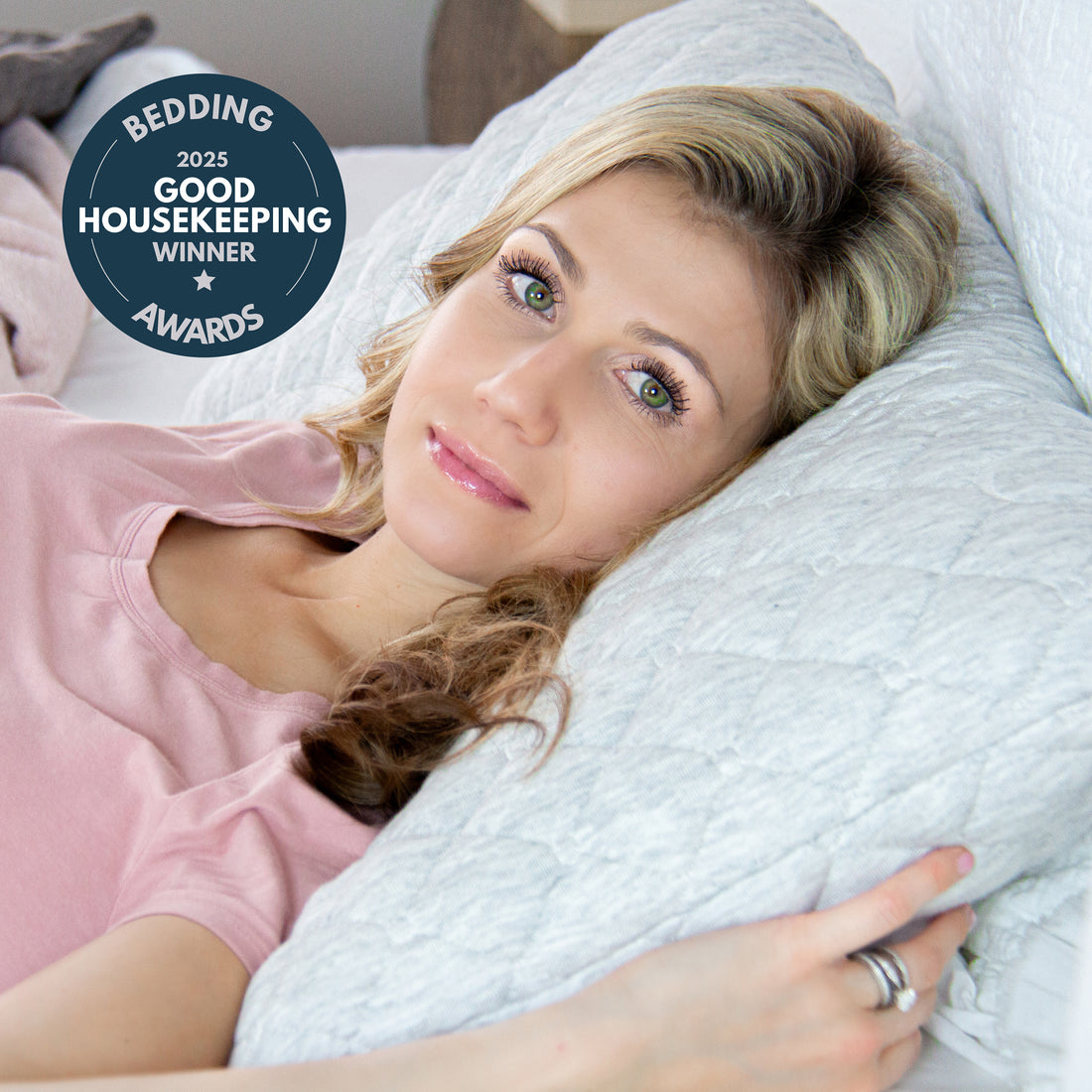 The Essence Side Sleeper Pillow
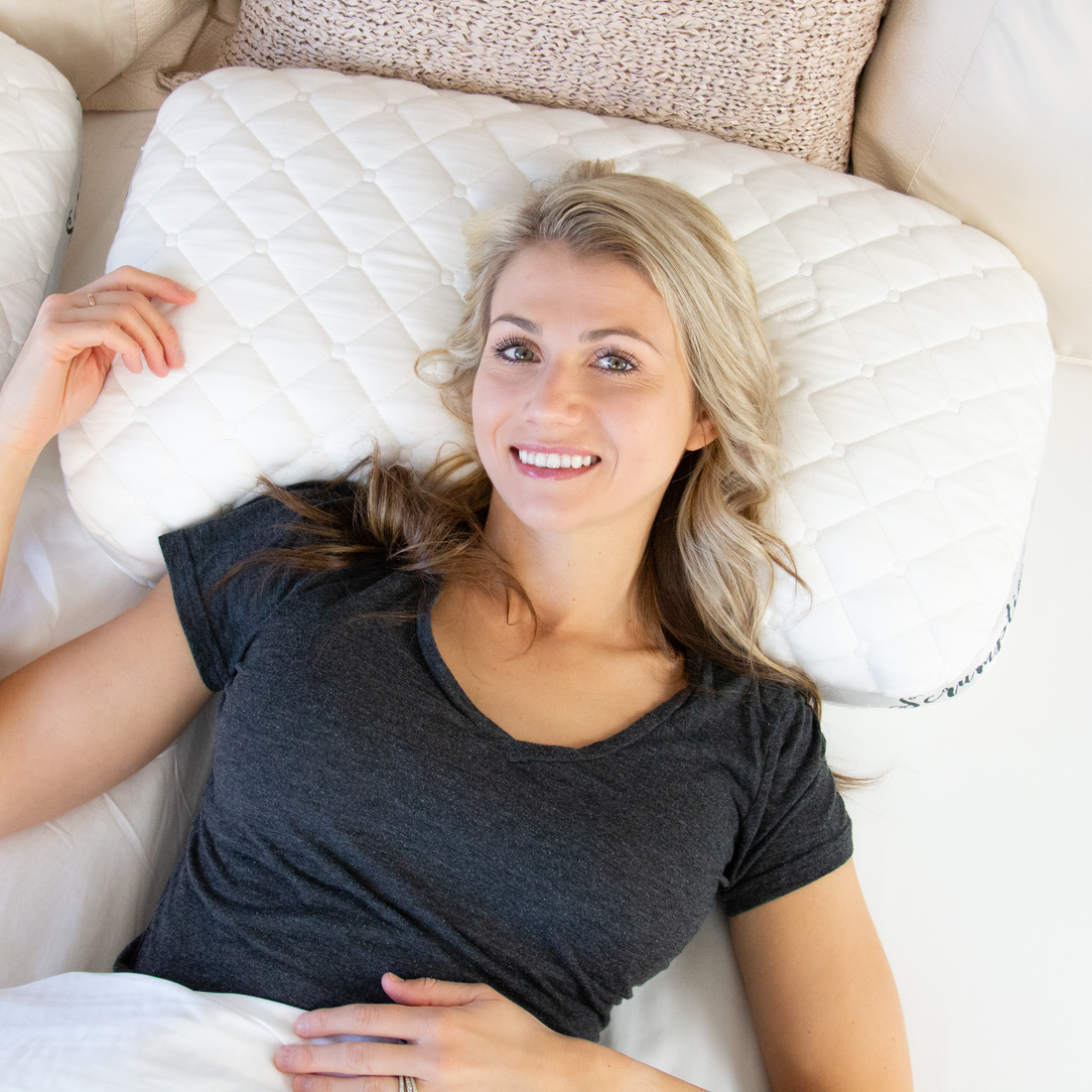 The Classic Scrumptious Pillow with Cooling Organic Pillowcase
 The Scrumptious Pillowcase for Classic Pillows
 The Scrumptious Pillowcase for Body by Honeydew
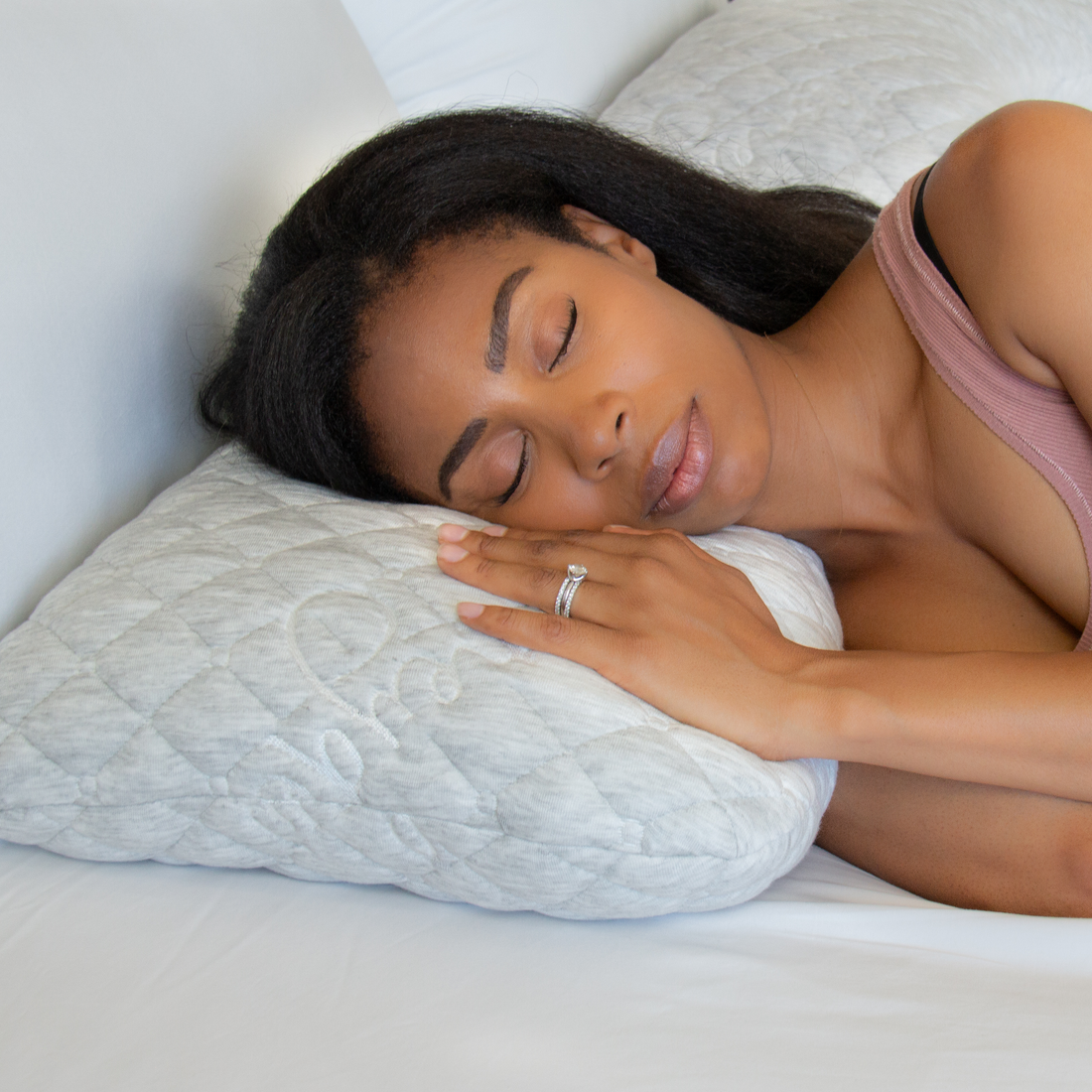 The Classic Essence Pillow
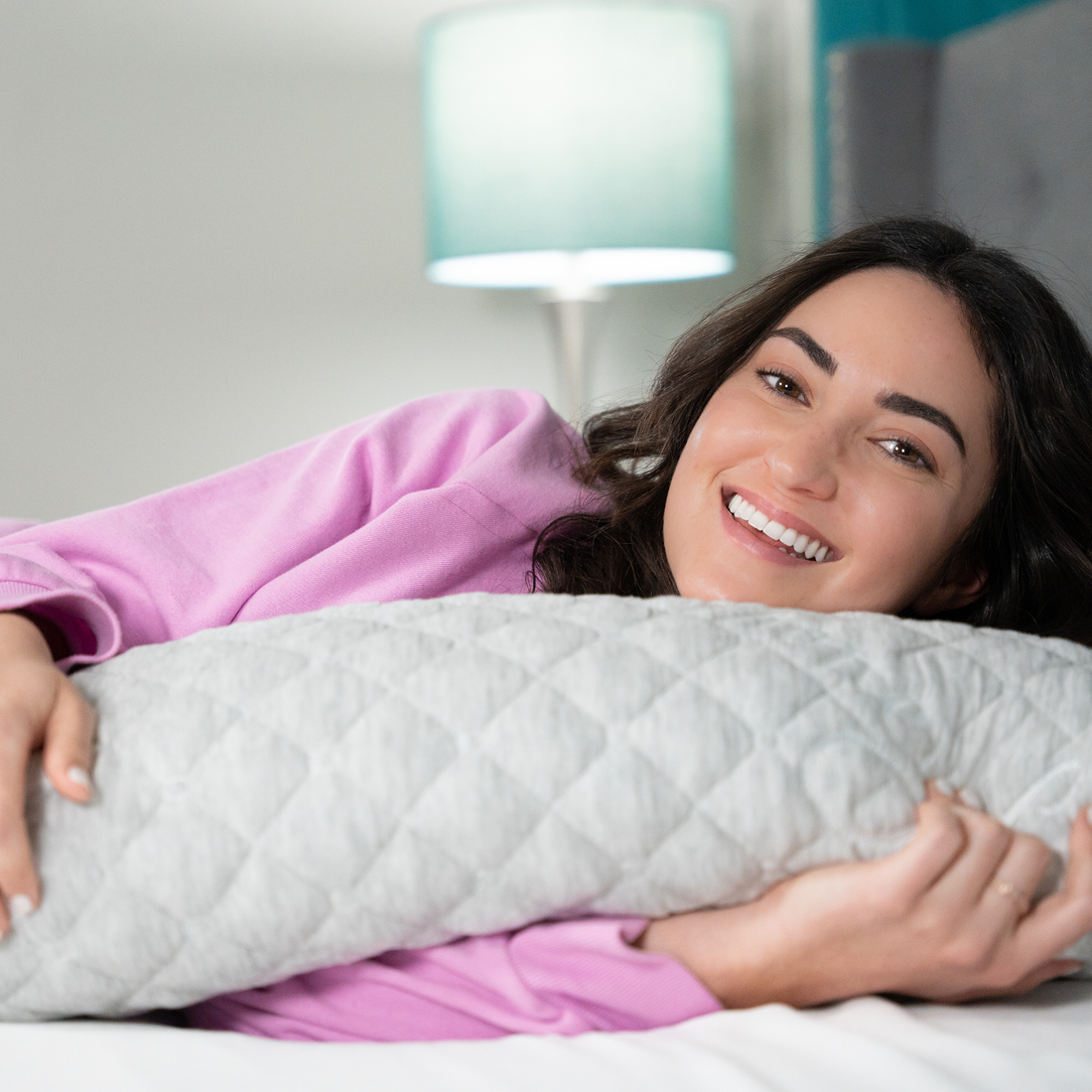 Body by Honeydew - The Ultimate Luxury Body Pillow
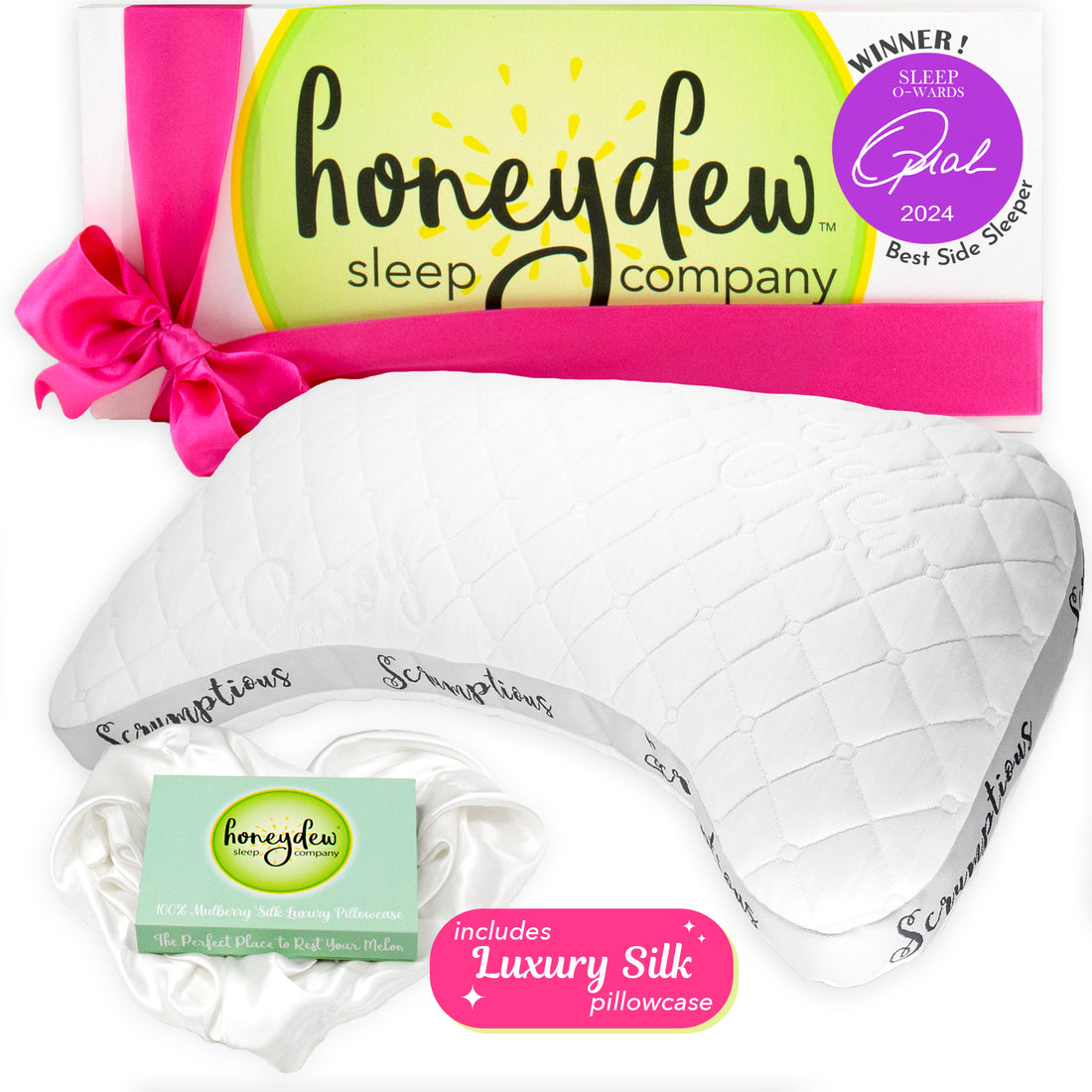 The Silk Dreams Luxury Gift Set for Side Sleepers
 The Forever Young Beauty Box by Honeydew Sleep
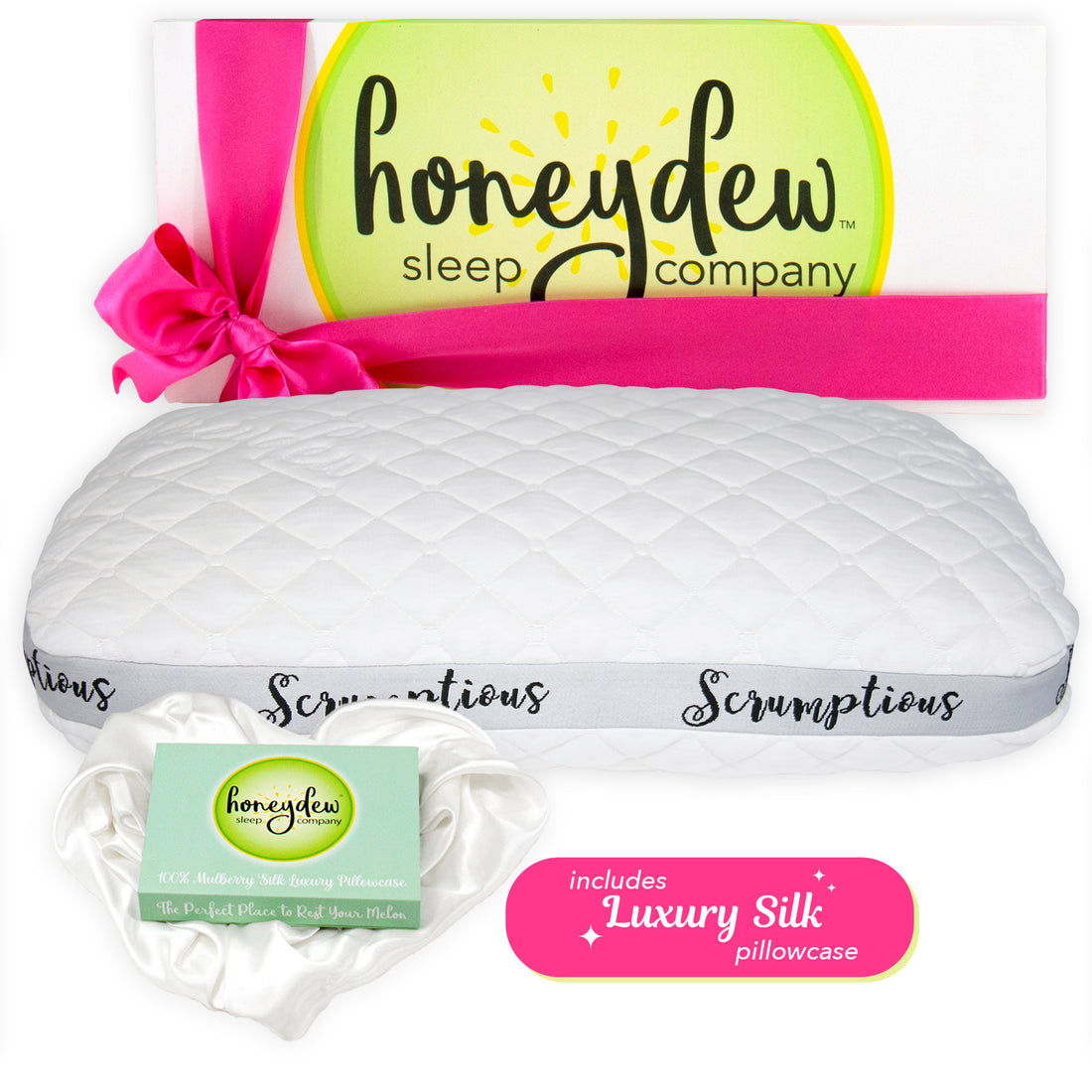 The Silk Dreams Luxury Gift Pack - Classic Scrumptious
 Honeydew Gift Card


